It is often imagined that the traditional Lithuanian flower garden has its origins dating back hundreds of years and that rue, pinava and begonias have been growing there since time immemorial. But is it really like that? Which plants have been grown in our flower gardens for centuries and which were brought to Lithuania later? Which plants were fashionable in the interwar period and why?
Sources of information
I. Auželiene is preparing for the conference on environmental design “Garden style” to present the message «If you don’t take care of kindergarten, you will burn in hell.» Such an ambitious name arose from pre-war and interwar literature, which is analyzed by a specialist.
According to Ingė Auželienė, the history of the Lithuanian landscape has not been thoroughly studied because there is not much written data. Therefore, it is quite difficult to determine exactly when and how the traditional Lithuanian flower garden began to take shape.
However, from old health tips, recipes, paintings and craft motifs, we can find out at least fragmentarily which plants were grown in Lithuania several centuries ago. After all, you’ve seen tablecloths embroidered with patterns of lilies and pansies, right?
Read more Macramé for plants: 7 ideas for indoor plants
Subsequently, there are also written sources, some of which we will talk about shortly.

Traditional plants are not necessarily local
The horticultural specialist says that the need to decorate private courtyards with flowers arose not in villages, but in cities, when people began to live further from nature. Furthermore, they wanted to grow not common, naturally growing local plants, but imported plants that had never been seen before.
I thought that the first interesting plants were brought to the territory of Lithuania by landowners. However Ingė states: «Like most Western European cultural innovations, the gardening fad first spread through monasteries.»
Thanks to the experiments and cultivations of the monks, the imported plants subsequently spread to the possessions of the nobles, and then among citizens and farm owners. This is why most traditional plants are not necessarily native.
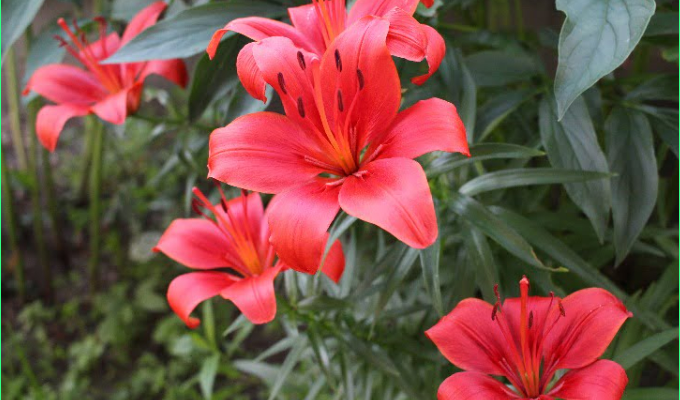
Lilies are one of the oldest imported flowers grown in Lithuanian nurseries. They have been popular in our country since the 16th century. Marigold could also be classified as having been cultivated for a long time.
Read more Spring pruning: what to prune now and where to take the time
Many other plants considered traditional did not arrive until the 19th century. For example, peonies (peonies) are sung in songs. And it looked like peonies had been growing here for centuries.
A flower garden is an important image-building tool
Ingė Auželienė says that the deepest knowledge of planting traditions in Lithuania dates back to just over 100 years ago. The specialist mentioned an interesting year in 1913. St. The publication «How to grow herbs» published by the Kazimierz Society. Contains practical instructions and advice for young women on how to care for their flower nurseries.
From this it can be concluded that flower nurseries constituted a very important part of the social image of girls at that time. Flower gardens were created not for their own pleasure, but for the sake of the eyes of others and to shape the opinion of those around them. If you think about it, it’s very similar to today’s social networks. A beautiful flower garden is like a profile photo. From this one could judge the girl’s diligence, cleanliness and aesthetic sense, which at that time was very important. If the kindergarten is abandoned, this raises suspicions about the girl’s reputation.
It is also interesting to note that perennials that are popular today were not at all fashionable then. Indeed, they seem intended only for the laziest! Preference is given to annual flowers that require more maintenance.
Read more specific instructions for the first sowing
A traditional interwar flower garden
Most of the knowledge we have about fashion and landscaping trends in Lithuania dates back to the interwar period. It was during this period that several features of the traditional flower garden were formed that have survived to this day:
- The flower garden is only for beauty, not for practicality. Until then, only plants with a clear practical (healing, ritual) function were grown in nurseries (for example medicinal sage, medicinal peonies, marigolds);
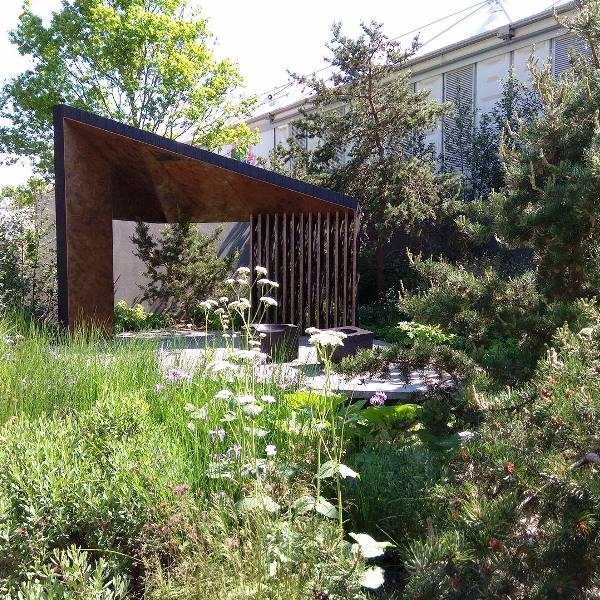
- The rigorous geometry and symmetry of the flowerbeds was abandoned and a freer landscape style spread. The Englishman appeared mixborder a tradition where bushes are planted next to various flowers. Such a traditional flower garden can be found even now.
In general, the level of afforestation in interwar Lithuania was very high. Even back then there were books that taught how to form fruit trees with espaliers. Everyone was looking for more interesting plants, compositional tricks – always something «clever». So if a century ago you thought that landscaping was primitive and simple, know that even today we can learn this and that from our great-grandparents.
Plant ideas from the interwar period
The plant trade was highly developed in the interwar period. Press advertisements of the time show that plant seeds and seedlings usually arrived in Lithuania from Riga, Wagner’s horticultural company. Ingė Auželienė mentioned many other interesting plants that decorated flower gardens in this historical period:
- Mulberries;
- Small-flowered pansies: it’s true, it’s a local plant that occurs naturally in our lands;
- Scented orphans (imported);
- national fire stations;
- Cosmeia (also called ocean liners) — were very popular in the interwar period, then forgotten, and today are experiencing a real renaissance. For a long time the plant, which was considered the flower of the village nursery, is now back in fashion.
Differences between ethnographic regions
I asked Inge how planting trends in Dzūkija or Suvalkija differ from other regions. After all, we know that a farmhouse is different from a purchase, so the planting traditions are probably also different.
Read more Zalčialunkis – beautiful, but dangerous. Why not even touch it
The specialist says that the trends were dictated by the estates of those regions. What the courtiers brought did not stop spreading in the nurseries of the villagers: they silently collected the seeds and dug up a young seedling to grow in their courtyard. And since courtiers were guided by European fashions, there were no significant differences between regions. Well, apart from the fact that in Suvalkija white lilies were more popular and in Žemaitia red ones.
On the other hand, some differences were also determined by the characteristics of the natural conditions of the regions. Everything that grew without problems in the fertile Aukštaitia and Suvalkija, could not grow in the sandy Dzūkija. As a result, different plants were favored in each region, the motifs of which are reflected in works of folk art or even in city coats of arms.
More ideas to come
You’ll hear even more landscape stories at the Garden Style environmental design conference. Dr. Ingė Auželiene’s message «If you don’t take care of kindergarten, you will burn in hell» will definitely surprise you, make you laugh a little and will definitely broaden your horizons. Or maybe you will get ideas from interwar Lithuanian treasures. The conference will be broadcast live on September 25th. More information
latest posts published

how to recognize the problem and how to save your lawn
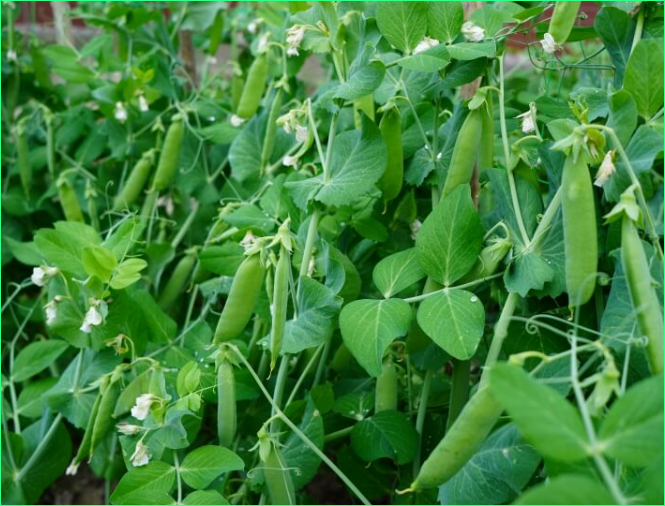
Growing Peas for Beginners: Here’s What You Need to Know
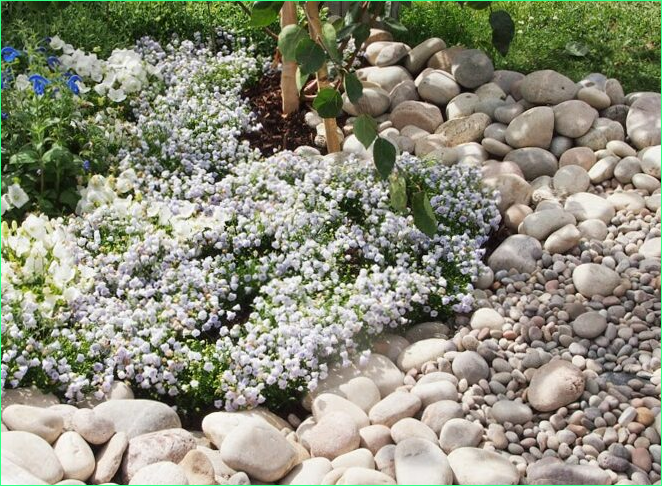
3 ways to clean the gaps between pebbles – without chemicals!
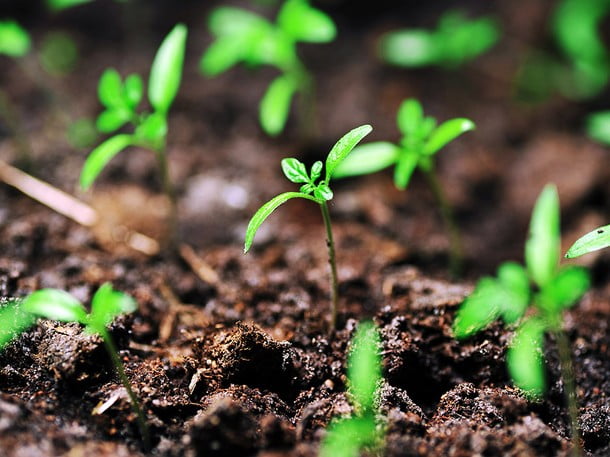
Collecting sprouts: the most common mistakes
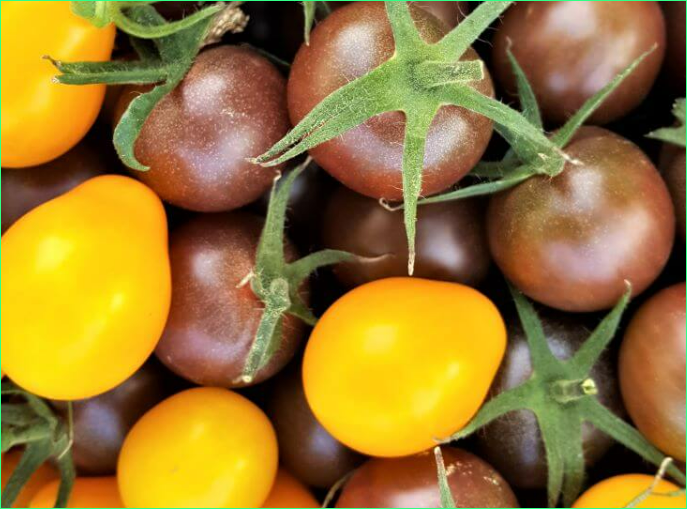
my review on the greenhouse harvest –
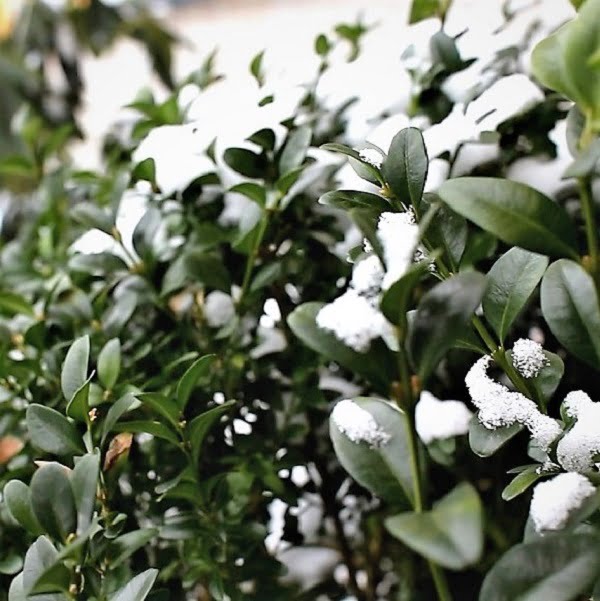
Which plants and how to cover the garden at the end of winter?

Take care of the graves in autumn, so that they are beautiful even in spring

what you will find in Lithuania if you decide to try it
English style: how to create one in Lithuania