There are several key things you should understand to grow peas well. From when to plant to how to take care of them, this article will explain what and how to cultivate tasty peas.
In the classes we also teach the details of growing fruits and vegetables «Modern vegetable garden». They are guided by Dr. Dr., an instructor with lots of years of experience in gardening. Ingė Auželiene, you will get useful tips that you can easily use in real life.
When to sow peas
You can start sowing peas from mid-April to mid-May, but it is best to sow them as early as possible.
I recommend doing this because of pests: they do less damage to early varieties of peas and peas sown earlier than those sown later, in other words, less wormy peas.
Read more Which wild plants are low in histamine and suitable for histamine intolerance?
How to sow peas
Sowing peas is not at all complicated:
- Work the soil well so that it is loose, free of weeds and free of stones;
- Make grooves 3-5 cm deep;
- Plant a pea approximately every 6 cm;
- Cover the sown peas with soil.
If you sow only peas of one variety, you can sow them every 10 days – they will not all grow at the same time, but some will be replaced by others, so you will always have fresh peas.
And if you sow peas of different varieties, you can sow both earlier and later ones at the same time.
When will peas sprout?
Peas are quite frost-resistant, so nothing terrible should happen to them at temperatures down to about -6 degrees Celsius.
Read more Skin care Sedum and medicinal plant from the garden
However, if you want the sown peas to germinate more quickly, or if stronger frosts are expected, you can cover them with agrofilm.
Sown peas will germinate in 10-14 days.
Growing and caring for peas
If the peas are not watered by the rain, you will have to do it yourself. Moisture is necessary for peas to germinate. Furthermore, it is very important during the formation of pods. Don’t forget to tap at that time.
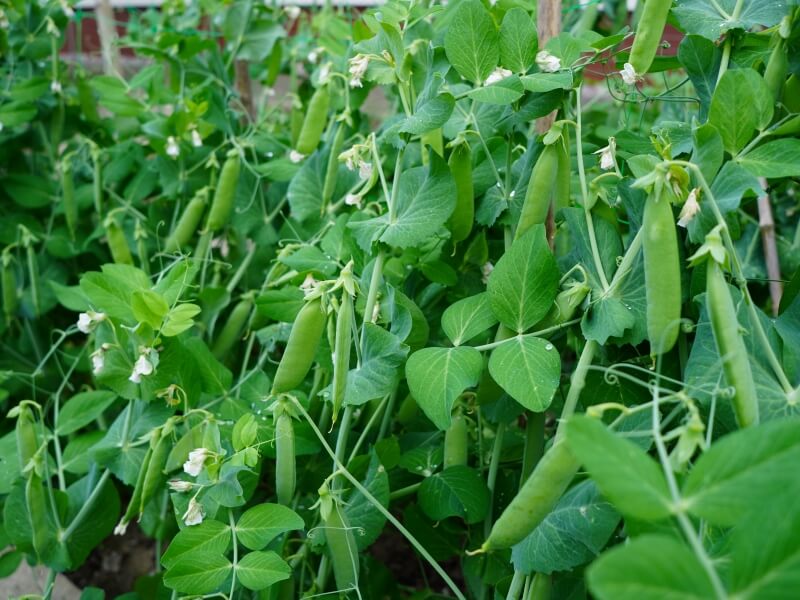
Another important thing is the supports for the peas. There are different opinions about them: some say that the peas are simply tied together very tightly and firmly support each other, so the supports are no longer needed.
Read more where to find them and how to grow them yourself
However, supports are necessary, especially for tall peas, because:
- The plants may fall to the ground and begin to rot;
- The air will circulate more freely and this will help prevent diseases;
- The sun will reach the peas more easily;
It is not necessary to install supports only after planting, but it is important to do this before the peas begin to flower.
An easy way to make stands
For peas, it doesn’t matter what support you make: for example, if you want an aesthetic image, you can make wooden supports and paint them in a bright blue color.
And if it’s easier for you, make these practical supports with jute net:
Read more This will keep your garden healthy and well maintained
- Drive the stakes to the ends of the bed;
- Lay out the jute net and tie it;
- Trim any excess at the bottom.
Aseja jute netting is available in two sizes: 1.8×1.8 m or 1.8×2.7 m.
I recommend using jute because you can compost it. This means that after harvesting you will throw everything into the compost. Durable and comfortable!
Even simple synthetic thread (or synthetic mesh) will work, but you will have to untangle it from the peas to dispose of them separately. So I don’t recommend it.
These are all the most important things you need to know. Early sowing, watering and strong supports – remember these steps and growing peas will certainly be successful.
Conlusion
Growing peas successfully is both easy and fulfilling when you grasp the important basics behind their growth. From selecting the right time to plant to giving proper care during the growing period, each step is crucial for achieving a thriving and fruitful harvest. Peas do best in cool temperatures, well-drained soil, and sunny spots, making preparation and timing vital for success. By planting seeds at the right time, keeping consistent moisture, and providing enough support for climbing types, gardeners can greatly enhance both the quantity and quality.
Paying attention to soil health and structure also makes a significant impact. Adding organic material improves drainage and gives the nutrients peas require to create strong roots and plentiful pods. Regular checks for pests and diseases help stop small problems from becoming major issues, while proper spacing allows for good air flow and healthier plants overall. Small, steady efforts in care often lead to sweeter, tastier peas during harvest time.
Beyond basic techniques, continuous learning can elevate your gardening skills to a new level. Structured guidance, such as that offered in the “Modern Vegetable Garden” courses led by Dr. Dr. Ingė Auželienė, provides deeper insights into efficient and sustainable cultivation practices. Learning from experienced professionals helps you avoid common mistakes and apply proven strategies directly in your own garden.
Ultimately, growing peas is not only about producing food but also about enjoying the process of nurturing plants from seed to harvest. With the right knowledge, preparation, and care, anyone can cultivate delicious peas and build confidence in their vegetable gardening journey.
latest posts published

how to recognize the problem and how to save your lawn
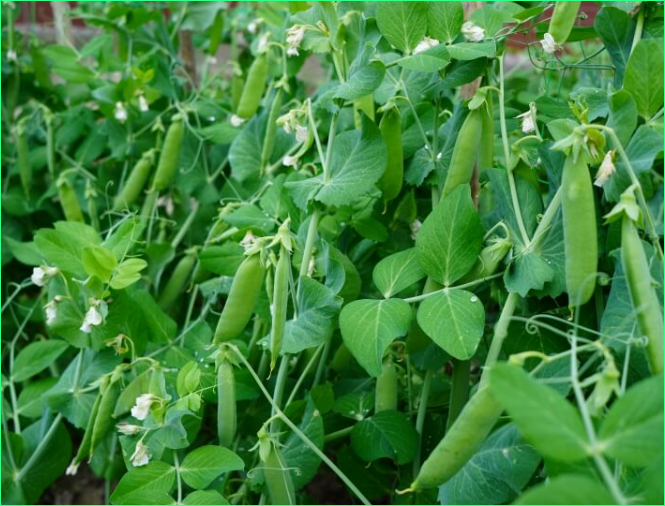
Growing Peas for Beginners: Here’s What You Need to Know
3 ways to clean the gaps between pebbles – without chemicals!
Collecting sprouts: the most common mistakes
my review on the greenhouse harvest –
Which plants and how to cover the garden at the end of winter?

Take care of the graves in autumn, so that they are beautiful even in spring

what you will find in Lithuania if you decide to try it
English style: how to create one in Lithuania