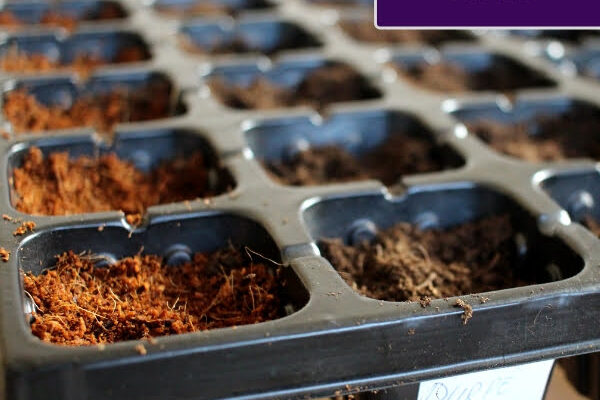
Peat or substrate? Coconut or mixture with biohumus? Planting and the subsequent quality of shoots also depend on the soil in which it is sown. Therefore, I decided that enough guesswork was enough – it’s time to experiment. I planted 7 varieties of tomato seeds in 4 types of substrates. The experiment and its results are in this video:
I used four different types of substrates and seven different varieties of tomato seeds to compare which substrate germinated the seeds best and produced better roots.
What I sowed in the experiment
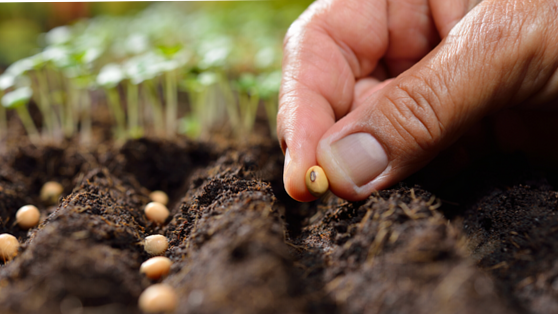
Sowing in four different substrates: what are these substrates and what makes them special:
Read more meets the provocateur Martin Rein-Cano
1. Coconut: a natural product made from coconut shell fibers, just add water and let it swell. Coconut is prized for being a renewable resource produced from naturally occurring coconut waste.
2. Peat: also a natural product formed over many years from the remains of marsh vegetation. This means that peat is a non-renewable resource: once mined, it disappears. Sowing is carried out in acidified peat (this must be written on the package).
3. Substrate for seedlings: it’s a mixture. Most often this is the same peat, only enriched with various minerals and fertilizers. For planting and sprouting you need to choose the smallest size possible.
4. Substrate with biohumus (biohumus – manure): excellent material for enriching the soil. Just wondering if it will have any effect on seed germination. We’ll see.
Read more Planting flowers in a bed – video instructions!
Sowing tomato seeds
I chose a four-row nursery, I put a different substrate in each row so that the result is clearly visible:
All substrates placed in the nursery are clearly different (see photo from bottom to top): coconut is orange, peat – with fibers, peat substrate – finer structures, and substrate with biohumus – a wonderful black color.
For each of the 7 rows I write the name of the variety: I specifically chose different varieties of tomatoes, because some are tall and will grow faster, others are short, I chose both hybrid and breeder varieties.
I sow two seeds in each member. I put a very thin layer of soil on the seeds and spray it so that there is no lack of moisture and the seeds can germinate successfully. I cover the bedroom with a bag, creating a greenhouse effect, and place it on the heated floor.
Read more Transplanting peppers is a careful method without damaging the roots
If you want to know in detail how to plant tomatoes, take a look article with a video tutorial where I showed 3 ways to sow tomatoes.
After 10 days… let’s measure the results!
What we see 10 days after sowing
The whole forest is sprouting! At first glance, a row planted with coconuts looks much worse. But about everything consistently: I will dig up the seedlings and see where the roots are, perhaps the top is deceptive, and the whole result will be clear only after examining the roots of the seedlings.
Looking at the photo, I examine from top to bottom:
Read more how a Soviet building turned into a cozy courtyard
1.Substrate with biohumus: Some seeds did not germinate at all, but the germinated shoots look quite normal. After removing the seedling from the branch, you can see that the roots are weak. I’m trying with a seedling of another variety – the roots look better. After examining all the seedlings grown in the substrate with biohumus, the seedlings are not bad at all.
2. Substrate for seedlings: both seeds have germinated, both seedlings are firm, straight and the roots look better than on the biohumus substrate. The tomato seedling of another variety is beautiful, the color is good, the roots are large and branched.
3. Simple peat: Even if the seedling seems small, but the roots are very long and branched, so the seedling will take root better. I look at a seedling of another variety: its roots are also very well branched.
4. Coconut: the shoots that grow there are very small. Seeds take longer to germinate and appear much weaker as seedlings. But maybe the roots are very good? When the coconut falls, you can clearly see that the roots are only a few strands. In comparison, the root of the other seedling is a little longer, but the result is poor.
You can see all the roots of the shoots in question in the video shown above, somehow I didn’t photograph them separately.
Conclusions of the experiment: in which substrate did the sowing work?
If after planting the seed, after it grows, you collect it later, then the clear winner will definitely be: simple deacidified peat. It does not have nutrients, but fulfills the needs of the growing seed, which just requires air, warmth and moisture. Additionally, peat is usually less expensive than all types of mixes, so the winner’s title is not even questionable.
Second place goes to seedling substrate. I would select it if I did not plan to gather it later: this substrate has enough minerals and food supplements needed for the continued growth of the seedling.
Third place is given to substrates made from biohumus. While worm waste is excellent, it contains various nutrients and the substrate is rich and fatty, but much simpler peat is enough to sprout the seed. The substrate with biohumus costs a lot more than peat, so it isn’t worth planting it, but I have no doubt that it is good for other uses.
Fourth place is given to kokosui. It did not work well at all in this test. Our instructor Ingė Auželienė, who teaches the classes «Modern garden and vegetable patch», mentions that a lot hinges on the quality of coconut treatment, so it’s not fair to say that all coconuts are bad. We discussed this with Raminta on Facebook, who previously told us about small tomatoes suitable for balconies (you can read here), and says to look at the color: dark coconut is good quality and sprouts well, and recommends avoiding light coconut. Maybe this is an idea for another test?
In any case, based on the results, I will use simple peat for planting after this trial. And what has been your experience?
latest posts published

how to recognize the problem and how to save your lawn
Growing Peas for Beginners: Here’s What You Need to Know
3 ways to clean the gaps between pebbles – without chemicals!
Collecting sprouts: the most common mistakes
my review on the greenhouse harvest –
Which plants and how to cover the garden at the end of winter?

Take care of the graves in autumn, so that they are beautiful even in spring

what you will find in Lithuania if you decide to try it
English style: how to create one in Lithuania