If your rhubarb suddenly flowers in May, you need to act quickly. As it flowers, it loses its flavor, becomes fibrous and may become inedible. Here you will find out how to recognize that it is starting to flower and how to save it in time.
What happens when rhubarb blooms?
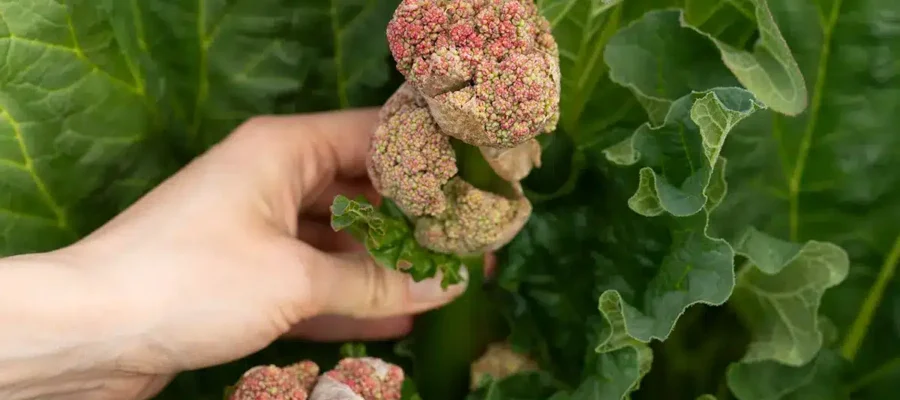
The flowering of rhubarb is a natural spectacle that often surprises. Typically, rhubarb begins to bloom in late spring to early summer. The inflorescences are large and stately, often in the form of long towers of whitish to reddish flowers that sprout from the center of the plants.
Why does rhubarb bloom?

Rhubarb flowers for the same reasons as many other plants: to reproduce. Flowering marks the beginning of the plant’s reproductive cycle, producing seeds for the next generation. It is a natural process, but rarely seen in rhubarb because most gardeners remove the flower stalks early to maintain the plant’s vigor.
Read more Can you still eat wild garlic after it has flowered or is it poisonous?
Effects of flowering on the plant
Flowering can take a significant toll on the plant’s energy. Gardeners often notice that after flowering the stems become thinner and less tasty. This is because the plant directs its resources into producing seeds rather than stems. To avoid this, experts recommend removing flower stems as soon as possible.
Discover wild herbs in the garden
With wild herbs and medicinal plants available throughout the year, this book serves as an excellent resource to help you explore and understand local wild and medicinal herbs. Each season highlights the most essential herbs that are easy to identify and abundantly found in nature. Our aim is to provide a practical guide that genuinely supports you by detailing not just their unique characteristics, but also their versatile applications in the kitchen and for health remedies. You can find the book, along with our other offerings like the complementary seasonal calendar for wild herbs, exclusively in our online herb shop.
Tips for dealing with flowering rhubarb
- Remove flower stems: It’s best to remove flower stalks as soon as they appear, to prevent the plant from investing its energy in the flowers instead of the stems.
- Optimize plant care: It is also important to ensure that rhubarb plants are well fed and receive adequate water, especially during the spring growth stages. Otherwise the stems may become small, thin and woody.
- Division of plants: Older rhubarb plants are more likely to flower. Plants can be divided every few years to maintain their vigor and minimize flowering.
Can you sow rhubarb and harvest the seeds?
Yes, you can actually harvest and sow rhubarb seeds to grow new plants. Seed heads are ripe when they are brown and dry, which is usually in late summer or early fall. However, it is important to note that this is not the preferred method for propagating rhubarb because plants grown from seed do not always inherit the characteristics of the parent plant. Division leads to better success here.
Through the seasons with wild plants
With our self-created wild herb magazine, you can experience the world of wild herbs and medicinal plants in a new way every season. You can find interesting reports, delicious recipes and easy-to-implement inspirations such as ointments and creams in our Magazine of the Cantina delle Erbe (available here). Don’t own any of our paper magazines yet? So secure the set with all editions still available.
Read more Cut Barbara’s branch on December 4th
And what about the oxalic acid contained in rhubarb?
Dried or woody rhubarb stems don’t necessarily contain more Oxalic acid like younger, fresher stems. Typically it is the older, woodier stems that are harder and less flavorful, but oxalic acid content varies primarily with the part of the plant, not necessarily with the age of the stem. The highest concentration of oxalic acid is found in rhubarb leaves, which are poisonous and should not be consumed. Oxalic acid is present in minor quantities in the stems and is considered safe for consumption as long as it is consumed in moderate quantities.
The world of wild herbs
Follow the world of wild herbs on our other channels. For example, do you already know ours? YouTube channel “Herb cellar”? You will find many instructional videos there. Just click on one of the links below and take a look! Of course everything is completely free!
Conclusion
In May, rhubarb begins to flower, marking a natural and crucial turning point in its growth and development. While the tall, upright flower spikes are impressive, even decorative, they come at a cost. Flowering diverts the plant’s energy from producing tender, aromatic stems to seed production. This results in stiffer, more fibrous stems and a less flavorful plant. Therefore, timely intervention is crucial for gardeners who primarily use rhubarb for cooking.
Recognizing the early signs of flowering is the first step in keeping quality. A strong main stem growing quickly from the plant’s center—often clearly different from the petiole—shows that the plant is getting ready to bloom. Cutting the flower stalk as near to the base as possible helps transfer energy to leaf and stem growth. While this doesn’t fully stop the plant’s natural processes, it greatly slows the drop in texture and flavor.
Read more Make your own potting soil for free: Create the perfect soil with just 3 ingredients!
Knowing why rhubarb flowers is important. Stress factors like changes in temperature, lack of water, overly crowded planting, or the age of the plant can all make rhubarb flower too soon. Older plants are especially likely to bloom. Dividing the plant every few years encourages growth and lowers the chances of early flowering. Keeping enough moisture in the soil and maintaining healthy soil also helps with the steady growth of rhubarb.
While flowering affects the quality of rhubarb, it doesn’t mean the plant will die. With timely removal of flower stalks and proper care, rhubarb can keep producing usable stems during the growing season. Some gardeners even promote rhubarb to flower for decorative reasons or seed collection, even if it leads to a loss in yield.
In the end, rhubarb flowering is a natural event, but it needs the gardener’s attention. If the quality for cooking is essential, some intervention is needed. By watching plant growth closely and acting quickly, gardeners can manage the flavor and texture of rhubarb, ensuring a good harvest even during flowering times.
Read more
 In September, prepare a lavender ointment yourself – the best home remedy for insect bites
latest posts published

how to recognize the problem and how to save your lawn
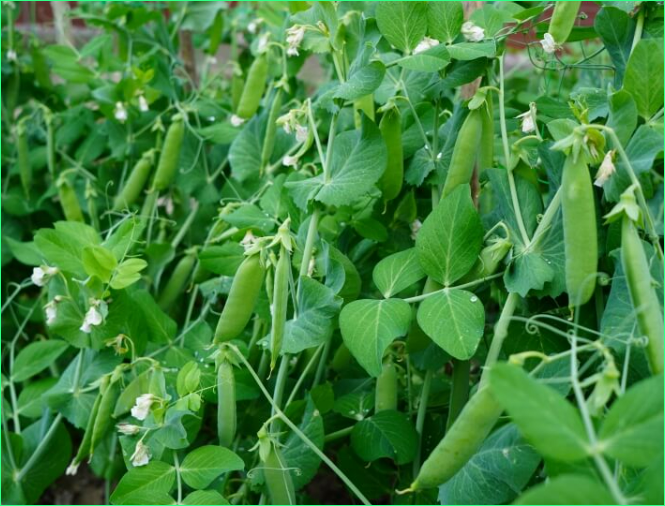
Growing Peas for Beginners: Here’s What You Need to Know
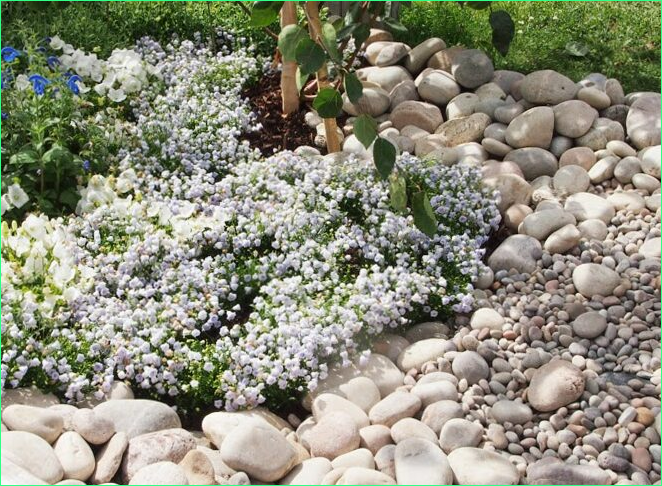
3 ways to clean the gaps between pebbles – without chemicals!
Collecting sprouts: the most common mistakes
my review on the greenhouse harvest –
Which plants and how to cover the garden at the end of winter?

Take care of the graves in autumn, so that they are beautiful even in spring
what you will find in Lithuania if you decide to try it
English style: how to create one in Lithuania