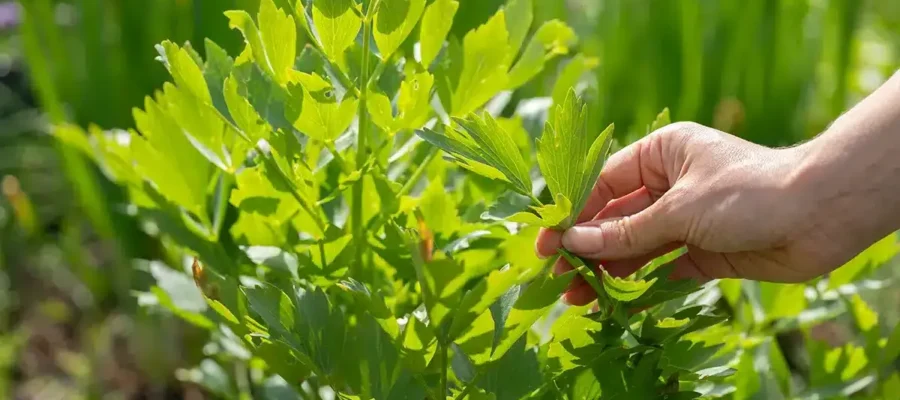
Flowering lovage, also known as maygrass, raises many questions in August: Should you harvest it now or not? Is it still edible or could it even be poisonous? The plant actually changes as it flowers, but much of what is said about it is half-knowledge. In this article you will find out whether maygrass is really problematic in summer and how you can use it safely, even if it is already flowering.
Does lovage become poisonous when it flowers?
One frequently asked question among gardeners is whether lovage turns poisonous when it blooms. While parsley is known to develop toxic compounds during its flowering stage, this does not apply to lovage. Even while in bloom, lovage remains completely safe and can be used without concern. Its flowers, although milder in flavor compared to the leaves, are edible and can be utilized in small amounts to add a subtle sweetness to dishes.
Ingredients modified during flowering
During flowering, the content of ingredients in lovage changes. The leaves lose some of their intense flavor as the plant uses its energy to produce flowers. Increases the content of essential oils and secondary plant substances in flowers. These are not only responsible for the aromatic scent, but also have health benefits. The flowers can therefore be used in small quantities to refine dishes.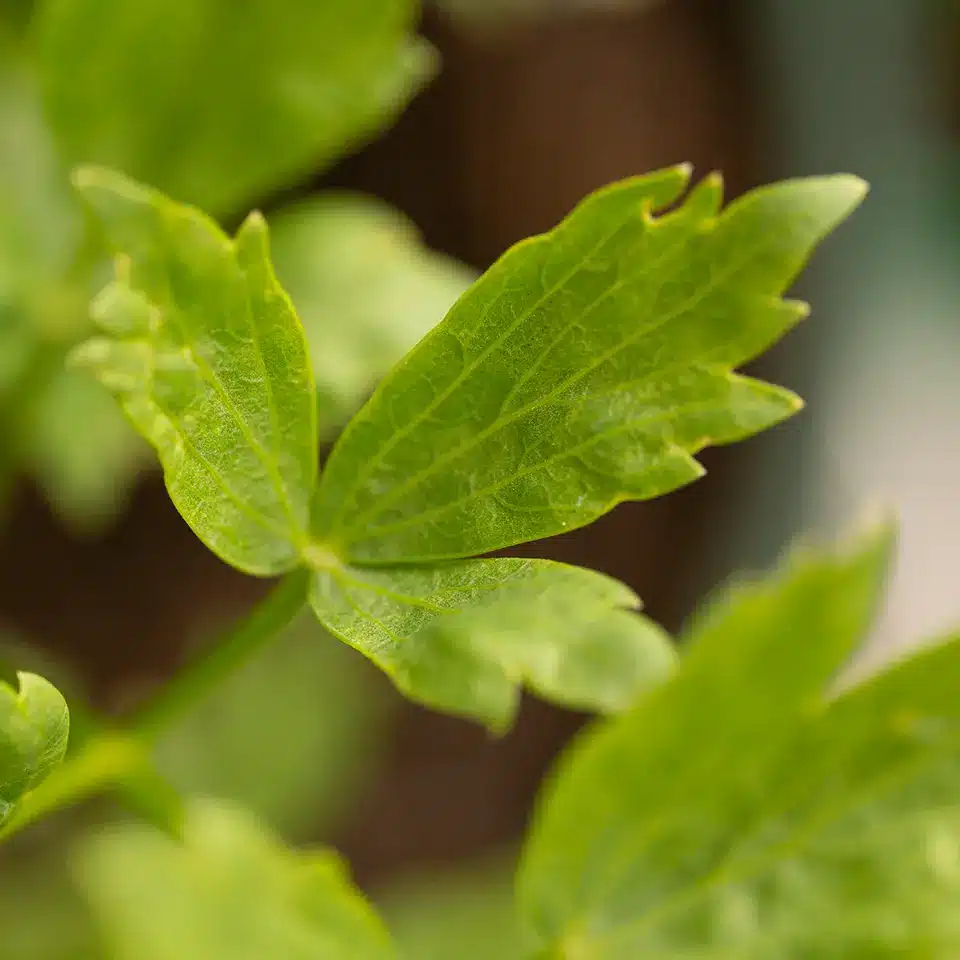
Importance of lovage flowers for insects
Lovage flowers are a valuable food source for various insects. Particularly Bees and butterflies are attracted to flowers. They provide abundant nectar and pollen, making them an important food source, especially during times when other flowering plants are in short supply. By leaving flowers in the garden, you actively contribute to protecting and preserving insect diversity.
Read more Thymol the active ingredient in thyme and black cumin oil for menstrual problems
Tip: Kräuterkeller wild herb magazine
If you want to delve even deeper into the world of herbs, this is recommended Wild Herbs Magazine from the herb cellar (available here). This magazine offers a wealth of information on local wild herbs, their uses in cooking and their health benefits.
Influence of flower bloom
Plucking flowers can be beneficial for several reasons. If you want to use lovage leaves primarily as a cooking spice, we recommend pinching off the flowers. This keeps the plant bushier and producing more leaves. Furthermore, the plant’s energy is channeled into the growth of leaves rather than into the formation of flowers. However, if you appreciate the ecological benefits of flowers and want to support insects, you should leave the flowers standing.
Delicious recipes with lovage
Lovage is a versatile herb that can enrich many dishes. Here are some delicious recipes to try:
Lovage potato soup
Ingredients:
Read more Simple and delicious spiced biscuits in just 20 minutes
- 500 g of potatoes
- 1 onion
- 1 liter vegetable broth
- 2 tablespoons lovage leaves, chopped
- Salt and pepper to taste
Preparation:
- Peel and dice the potatoes, finely chop the onion.
- In a large pan, fry the onion in a little oil until golden brown.
- Add the potatoes and vegetable broth and simmer until the potatoes are tender, about 20 minutes.
- Blend the soup, add the lovage leaves and season with salt and pepper.
Preserve aromatic and wild herbs in summer
If you collect aromatic and wild herbs in summer, you can immediately enjoy them fresh. However, preserving wild and culinary herbs is not only practical, but also a wonderful way to capture the flavors of summer. Drying, pickling, freezing, or fermenting can extend the shelf life of these herbs and ensure you have access to their flavor and health benefits year-round. Not all herbs are equally suitable for every procedure
Lovage pesto
Ingredients:
- 50 g of lovage leaves
- 50 g of basil leaves
- 50 g of grated parmesan
- 50 g of pine nuts
- 100 ml of olive oil
- 1 clove of garlic
- Salt and pepper to taste
Preparation
Read more 5 ideas for working with children using wild herbs
- Place the lovage and basil leaves, pine nuts, parmesan and garlic in a blender or herb grinder (We have been using this for years and love it) and mix thoroughly.
- Slowly pour in the olive oil and mix until you obtain a creamy consistency.
- Season with salt and pepper. Pesto goes perfectly with pasta or as a spread.
Lovage herb butter
Ingredients:
- 250 g of butter
- 3 tablespoons chopped lovage leaves
- 1 tablespoon chopped chives
- 1 clove garlic, finely chopped
- Salt and pepper to taste
Preparation:
- Bring the butter to room temperature.
- Mix all the ingredients well.
- Place the herb butter in a mold and let it solidify in the refrigerator. Ideal with grilled meat or vegetables.
Lovage is not only an enrichment for the garden, but also for the kitchen. Its flowers provide precious food for insects and its leaves embellish numerous dishes. Leaving the flowers standing or breaking them off depends on personal preference. You can try the suggested recipes and be surprised by the versatility of lovage. And don’t forget to check out the Wildkräuter magazine from Kräuterkeller – it’s worth it! With this information and recipes we hope you will learn to appreciate lovage even more in the garden and in the kitchen. Have fun cooking and exploring
Read more natural vegan cosmetics with organic raw materials
latest posts published

how to recognize the problem and how to save your lawn
Growing Peas for Beginners: Here’s What You Need to Know
3 ways to clean the gaps between pebbles – without chemicals!
Collecting sprouts: the most common mistakes
my review on the greenhouse harvest –
Which plants and how to cover the garden at the end of winter?

Take care of the graves in autumn, so that they are beautiful even in spring

what you will find in Lithuania if you decide to try it
English style: how to create one in Lithuania