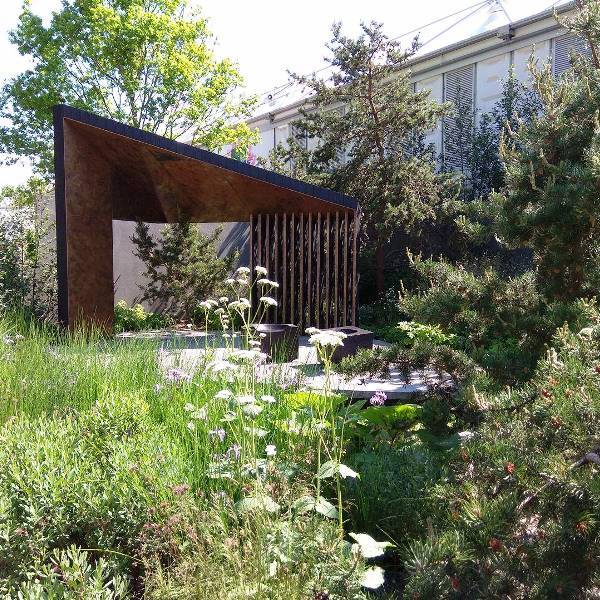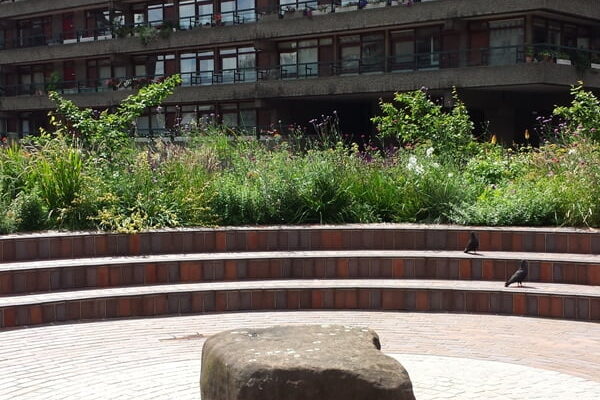
Gardening style is influenced by various nations with rich gardening customs. Britain is certainly one of the key nations that influences many landscape experts globally. We spoke with Tim Richardson, author of important writings on garden design, founder of the garden event «The Chelsea Fringe Festival,» and writer of the newly released book «The New English Garden,» about Britain’s most stunning gardens, how they have evolved, and his predictions for upcoming trends.
Tim Richardson: Major shifts started between 1990 and 1995, when British landscape designers began to be shaped by the naturalistic approach seen in Germany. In 1994, many gardeners and designers started choosing plants based on their shape, texture, and forms rather than just their colors. So today in the discussion, I shared how various garden styles impact our gardens. I aimed to show this with examples of work by truly talented designers, which showcase their unique views and insights.
The main idea, more or less ingrained in all gardens, is that landscaping has a tradition based on colorful, random and consistent planting style ideas that make gardens more attractive, with more permanent plants.
Read more How to make branches bloom and which branches are suitable for this
Lina: In many Central and Eastern European countries, including Lithuania, a lot of attention is paid to colors, forgetting the shapes and relationships between plants, so in our case this naturalistic style of perennials is really new and completely different from what we are used to seeing.
Tim: Many people consider plants that grow naturally to be weeds and that is the biggest problem. A big positive influence in this case is the Chelsea Flower Show. Personally, I really like natural outdoor plants: when I have to drive somewhere, I always pay attention to the roadsides and hedges. They look like simple, unassuming outdoor plants, but to me they are so refreshing.

The idea that there is a connection between humans and nature is not new. It was developed by the art critic John Ruskin in the 19th century. in your garden, full of surprises. Even today, some designers transfer outdoor plants directly into the garden.
Indeed, this is exactly what Prince Charles did at his home in Highgrove (Highgrove) in Gloucestershire, where the plants are copied from those growing in Transylvania. The giant fields simply echo the meadows of Romania, where he lived. The seeds of the plants growing there were collected and brought to England, creating a wildflower meadow. Why not, he can afford it.
 Ilze Ruksane: Peonies and marigolds are back in fashion in Latvia
And it is difficult for many people to realize that a wild meadow is beautiful: stereotypes about what a country house should look like are firmly rooted in people’s minds. These are very deep-rooted habits that are difficult to change.
Lina: How to create the naturalistic garden of the future? Is it enough to copy the nature growing nearby?
Tim: That’s exactly what I’m talking about. Designers at the University of Sheffield do just that: they go out into nature, collect the seeds of some plants, from which they make seedlings, which they then plant. For example it can be Queen Elizabeth Olympic Parkperfectly integrated into public space such as a garden. These gardens are really impressive, but at the same time they are artificial: they are just an imitation of nature, a copy, and I lack the connection with the author of the garden. I know they are man-made, but I feel no connection to personality. The author doesn’t talk to me in the garden. I believe gardens should reveal a connection to the person who created them in one way or another.
Therefore, trends will change where the person will be. And not only is a naturalistic garden worthy of attention: the most important thing is that it arouses, soothes, comforts, shocks or otherwise influences. Exactly as the creator of that garden wanted.
Lina: Why has the naturalistic approach become so important
Tim: I think the concept of naturalism is becoming more and more important. Ecological Armageddon: The damage caused by humanity to the world has always been relevant. Many people feel responsible for it, and the strangest thing is that artists, and especially landscape architects, take it much more openly and seriously. They seem to have a subconscious awareness that we will heal the environment by getting closer to nature, through natural elements. The private garden is also part of this whole process.
Read more How to hide covers well so as not to ruin the view of the courtyard / Yellow wheelbarrow
Many of the best designers look in this direction, avoiding the use of unnatural elements. I look at it a little more freely: my idea is to create a garden as a space full of various objects, sculptures that stimulate us, inspire us and make us laugh. There can be different ways to create an effect that makes a garden pleasant, not just naturalistic.
Lina: We will also talk about this at the conference. St. Garden Yes»
Tim Richardson: Yes, the garden influences us through various senses, but we do not pay enough attention to these invisible and even intangible aspects of the garden. I think one of the problems, for example, when talking about smells in the garden is that the aroma is very difficult to describe. It’s a very specific thing and its vocabulary is really complex.
And in certain places we feel the aura of the place persistently, a sort of atmosphere surrounds us. In the 18th century this aura was poetically called the spirit of the place. local geniusamount. genius of the place). Spirits have surrounded us throughout time and I believe places have an aura. It’s very difficult to explain what it is: we just feel it.
Read more
 the most spectacular plants at the Chelsea Flower Show
latest posts published

how to recognize the problem and how to save your lawn
Growing Peas for Beginners: Here’s What You Need to Know
3 ways to clean the gaps between pebbles – without chemicals!

Collecting sprouts: the most common mistakes

my review on the greenhouse harvest –

Which plants and how to cover the garden at the end of winter?

Take care of the graves in autumn, so that they are beautiful even in spring

what you will find in Lithuania if you decide to try it
English style: how to create one in Lithuania