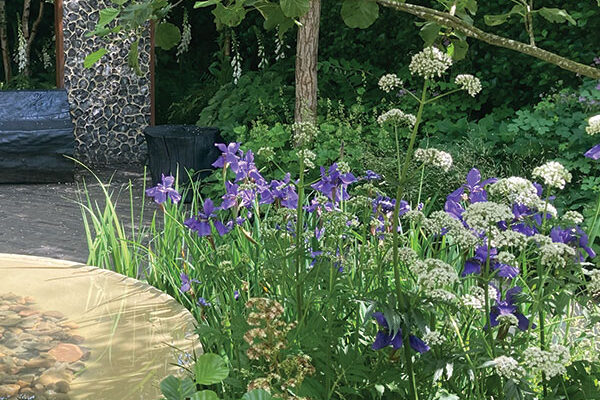
Valerian (Valeriana officinalis) is not only a well-known medicinal plant, but also a favorite choice of garden designers. Have you noticed that the plants from our grandmother’s garden are back on the trending charts? This time too you don’t have to look far: the famous valerian can add lightness, naturalness and elegance to the design of greenery. In this article, botanist and gardener Dalia Bastienė shares tips on how to grow valerian in your flower garden and which plants to pair it with.
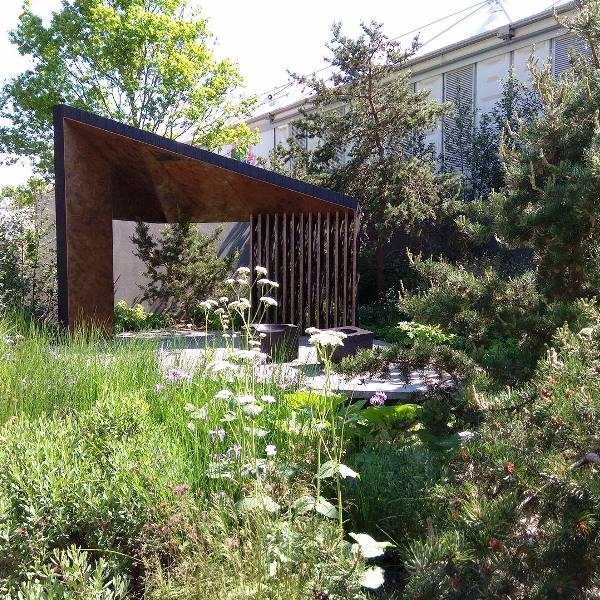
The botanist mentioned to LRT the use of valerian at the Chelsea Flower Show in London «Here is my garden»and tells you more about cultivation in this article.
Cultivation of valerian: the right place
Valeriana likes:
Read more How to water plants: use less water and less time
- fertile soil;
- lots of humidity;
- the sun
In nature they often grow in damp meadows, but in the garden they can adapt to less favorable conditions. Valerians can also grow in arid and sterile places, but they will be less lush and flower less well.
Dahlia notes that in nature valerian grows in places similar to brooms. Here’s a look at the bouquet Dahlia picked from the fields:
Diffusion
Yes, valerian is easy to sow. If you don’t want them to spread so quickly, harvest the inflorescences after flowering.
Read more beauty and taste in a single bridge / Geltonas Karutis
Dalia, however, says that you shouldn’t give up Valerian because of this. If you sow too much, you can easily root out the excess.
You don’t have to worry about pests and diseases – valerian has no big problems here.
Seasonality. When are valerians at their most beautiful?
In spring, valerian early rejoices in the garden when it releases its shoots with cut leaves. Flowering begins in early June and continues until mid-July. If the inflorescences are cut, the plant can flower again in August.
Valerian inflorescences resemble the silhouette of Patagonian verbena: tall, light and graceful. At the end of flowering it looks like a cloud.
Read more how to plan your work wisely | First step: overview of available plants
After flowering the inflorescences are no longer decorative, so if you want you can easily cut them.
Combinations with other plants
Valerian looks great next to the following plants:
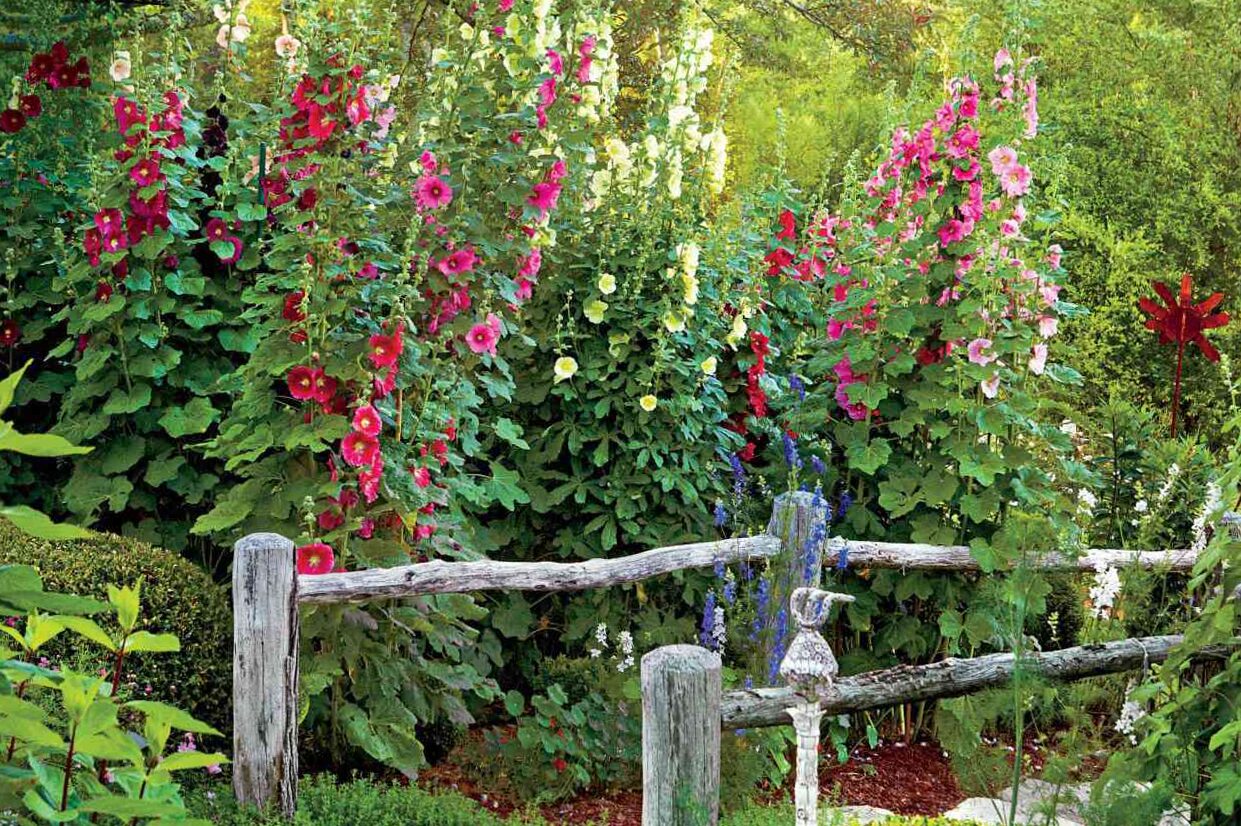
- Hollow peonies: the grace of valerian will lighten the beauty of the «heavy» flowers of peonies.
- Sticklebacks, snapdragons and scented astrantias: These plants require similar growing conditions and visually go well together.
- Bell-shaped plants: the hakones will form a lower green background against which the beauty of the valerian inflorescences stands out. Broomsticks would also go well together.
Ideal for a naturalistic flower garden
Take inspiration from Sarah Price’s 2012 Chelsea Flower Show project, where valerians were the focal point of a damp lawn.
And, of course, in the garden of the winner of the Chelsea Flower Show 2024, Łola Marija Bujauskaitė, valerian also served to create a magical atmosphere of madness.
Read more Tim Richardson: Garden designers will cure global warming
Interview with Ła Marija about this garden winner read here.
The beauty and benefits of valerian
Valerian is a great native plant that deserves a place not only in grandma’s garden, but also in a fashionable garden. It is recommended to dig the root, which has a strong aroma and healing properties, in autumn or early spring. Well, the beauty of inflorescences has already been appreciated by designers. If you are looking for a naturalistic and elegant looking plant for your garden, valerian is a wonderful choice.
Conlusion
Valeriana officinalis proves that classic garden plants never truly disappear — they simply return with renewed appreciation. Once known primarily as a traditional medicinal herb from our grandmothers’ gardens, valerian has re-emerged as a stylish and versatile choice in contemporary landscape design. Its airy clusters of soft pink-white flowers bring movement, lightness, and a natural charm that aligns perfectly with today’s preference for ecological and naturalistic planting schemes.
The renewed interest in heritage plants reflects a broader design trend: blending nostalgia with modern aesthetics. Valerian’s relaxed structure fits beautifully into cottage gardens, meadow-inspired compositions, and pollinator-friendly spaces. Its vertical growth adds rhythm and softness, while its subtle blooms create an elegant backdrop for both bold perennials and ornamental grasses. When thoughtfully paired with complementary plants, it enhances biodiversity and visual harmony at the same time.
Insights shared by botanist and gardener Dalia Bastienė highlight that valerian is not only decorative but also relatively easy to cultivate. It thrives in well-drained soil, prefers sunny or lightly shaded locations, and requires minimal maintenance once established. Its adaptability makes it suitable for both experienced gardeners and beginners seeking resilient yet expressive plants.
latest posts published

how to recognize the problem and how to save your lawn
Growing Peas for Beginners: Here’s What You Need to Know
3 ways to clean the gaps between pebbles – without chemicals!
Collecting sprouts: the most common mistakes
my review on the greenhouse harvest –
Which plants and how to cover the garden at the end of winter?

Take care of the graves in autumn, so that they are beautiful even in spring

what you will find in Lithuania if you decide to try it
English style: how to create one in Lithuania