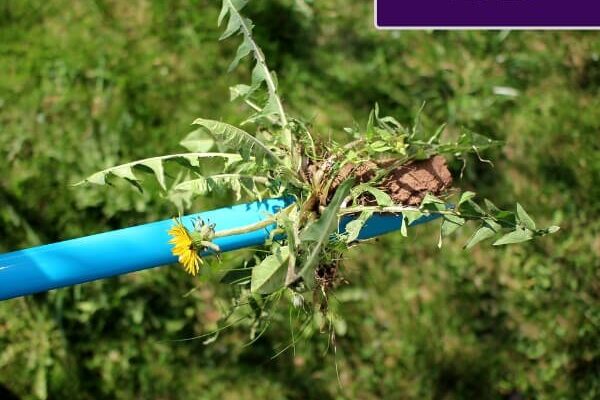
Every tool has its pros and cons, and herbicides are no exception. I tried the Gardena weed killer and am now sharing my experience. Click here to learn more:
I’ve been looking for an easier way to control lawn weeds without chemicals. A while ago, I was filming a video about growing tomatoes in a greenhouse and ended up twisting my back. So I decided to put that project on hold and try a herbicide instead.
How does a weed killer work?
I’ll start by saying that a weed killer is a safe tool, with a guard placed on the sharp tip so you can keep it in the pantry with the peace of mind that it won’t scratch the floor.
And after removing the protection, the work goes like this:
Read more Ła Marija Bujauskaitė: the gardening office of a talented Lithuanian
1. Stab
2. Enter
3. Throw away
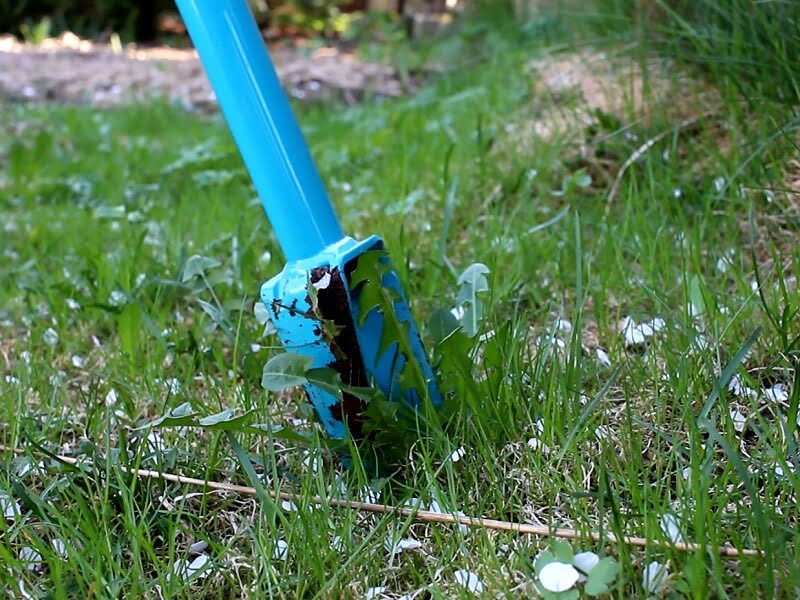
Well, I’ll try to find out more. Aim for the center of any dandelion and hit the weeder. Then turn it over: the two plates on the back of the instrument seem to hug the milk from all sides. Then pull the weeder out of the ground along with the entire clump of weeds.
Read more composting alphabet and video reportage
You still don’t need to bend down to throw away the grass. With a slight movement of your hand, press the knob on the handles and the tool will spit out the herb. For me it was more convenient to work with a bucket, so we loaded all the weeds there.
Weedkiller: advantage
1. If you want to eradicate dandelions from your lawn but don’t want to spray it with herbicides, this is a great way to make the job easier and faster.
2. You don’t need to crouch or kneel to pull these types of weeds – a great tool for those with health problems. Oh, and for those who just don’t want to squat, why do it if you can’t do it.
3. As for the dandelion, in most cases it eradicates almost all of the long root, and if not, the root remains quite deep. Wringing your hands wouldn’t work so well. There’s not much room to dig with a shovel. And the weed killer is narrow and digs deep into the soil. The root is pulled straight up and not to the side like other weeders, so it is more likely to pull out a longer root so it doesn’t tear out as quickly.
Read more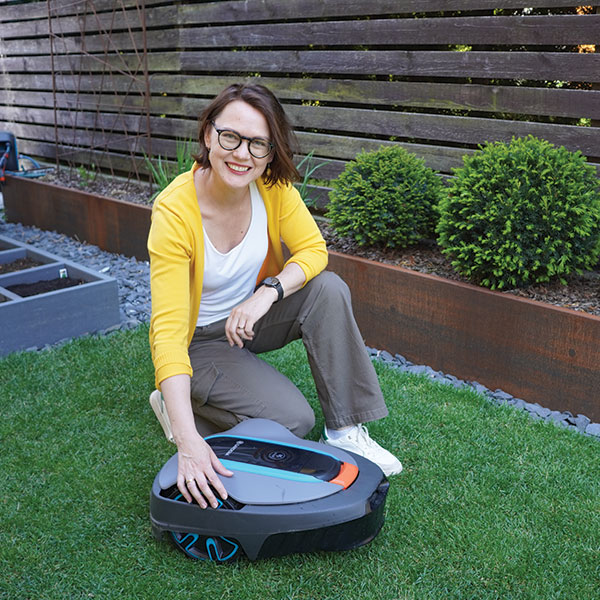 Garden robot: how not to make mistakes and what to know before purchasing
4. Since there is no leg to use with the leg, the weed killer is suitable not only for lawns, but also for densely covered flower beds, gardens and flower beds, as it is not eaten around.
Weedkiller: Disadvantages
1. You won’t get rid of all the weeds with this: If you are diligent and diligent, and if you only pull the weeds after they have sprouted, you will prevent them from getting large enough to need this weed killer. But if you are busy with other activities and cannot weed often and little by little, then those larger operations will definitely come in handy.
2. Likewise with overgrown weeds. If they are widely spaced and grown densely, the weeder may be too fine to deal with the problem.
3. If the soil is hard, broken, clay or gravelly, then it was difficult to work because you had to use a lot of force to guide the weeder. Then you would like to be able to press the tool into the ground with your foot. Even tightening the handles was difficult. In our case it was a path where the ground is more beaten and harder. It was easy to attach and turn on normal grass, no force was needed.
Read more Crocuses in the lawn are like little diamonds: plant them in your garden! –
4. Pulling sod with weeds leaves a deep, narrow hole in your lawn. It seems strange. However, it turns out that there is a solution to this: you need to glue it back into almost the same hole, just a little to the side. Then push the now covered piece of soil to the side so that it is in the center of the shared hole. „Gardens“ on the page Below is a drawn diagram. It’s hard to explain in words, but it’s easy to do.
The secret trump card
I have a secret idea. When I tried this weeder I thought that removing the clod of soil was not only a disadvantage, but also an advantage. When I plant bulbous flowers in the fall, the depth and narrowness of this hole are the same as for a small bulb. I suspect it will be an indispensable tool then too. Continue following our tests, maybe you’ll get an idea.
Conclusion
In gardening, every tool and method has its advantages and disadvantages, and herbicides are no exception. My experience using Gardena herbicides perfectly illustrates this. Initially, I hoped to control weeds on my lawn without chemicals, but sometimes flexibility is necessary. While filming a greenhouse project, I sprained my back and had to reconsider my previous weeding methods. Physical exertion can quickly turn the most enjoyable gardening activity into a challenge.
Using herbicides wasn’t my first choice, but at the time, it was a viable solution. One of its biggest advantages is its ease of use. Compared to bending over, pulling, and manually removing weeds (especially on large lawns), using herbicides significantly reduces physical exertion. This is especially important for those recovering or with limited mobility.
However, herbicides also have some drawbacks. Even when choosing products that tout themselves as more environmentally friendly or for specific purposes, their impact on surrounding plants, soil health, and the overall ecosystem must be considered. Ideal lawn care should balance effectiveness and sustainability. For me, using herbicides was merely a stopgap measure, not a permanent replacement for more natural methods.
This experience also deepened my understanding of the true essence of gardening: flexibility is crucial. Plans may change due to health conditions, weather, or time constraints. Many gardeners prefer chemical-free weeding methods—which is understandable—but sometimes convenience and health take precedence. It’s important to stay informed, use products responsibly, and reconsider long-term strategies as conditions improve.
Ultimately, the best weeding method depends on personal priorities, physical condition, and environmental factors. Gardner herbicide provides a practical and effective short-term solution during the recovery period, but it cannot replace the need to seriously consider sustainable lawn care. Gardening is not just about caring for plants; it’s also about wisely adapting to unexpected changes in life.
latest posts published

how to recognize the problem and how to save your lawn
Growing Peas for Beginners: Here’s What You Need to Know
3 ways to clean the gaps between pebbles – without chemicals!
Collecting sprouts: the most common mistakes
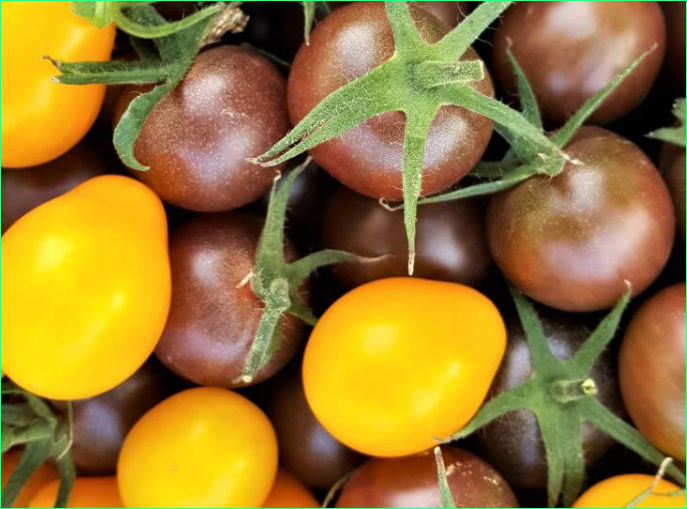
my review on the greenhouse harvest –
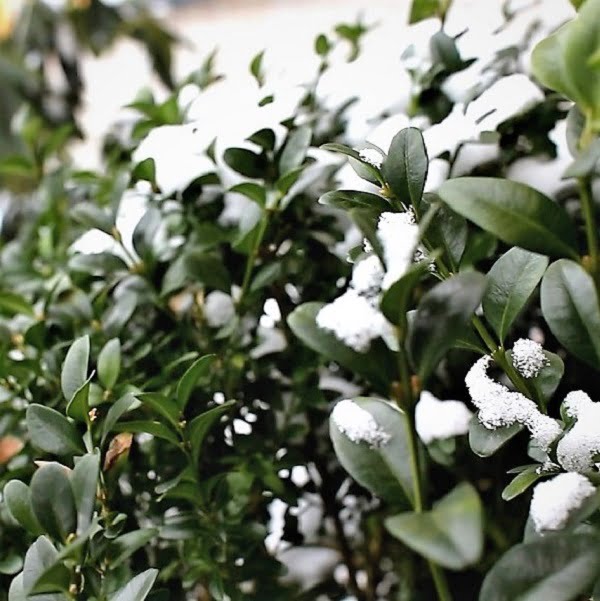
Which plants and how to cover the garden at the end of winter?

Take care of the graves in autumn, so that they are beautiful even in spring
what you will find in Lithuania if you decide to try it
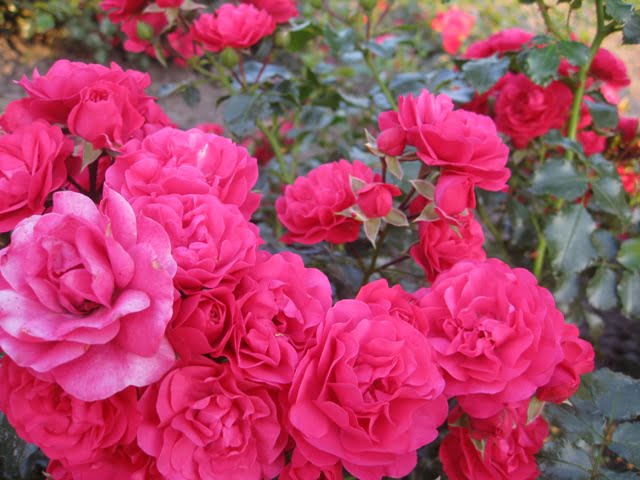
English style: how to create one in Lithuania