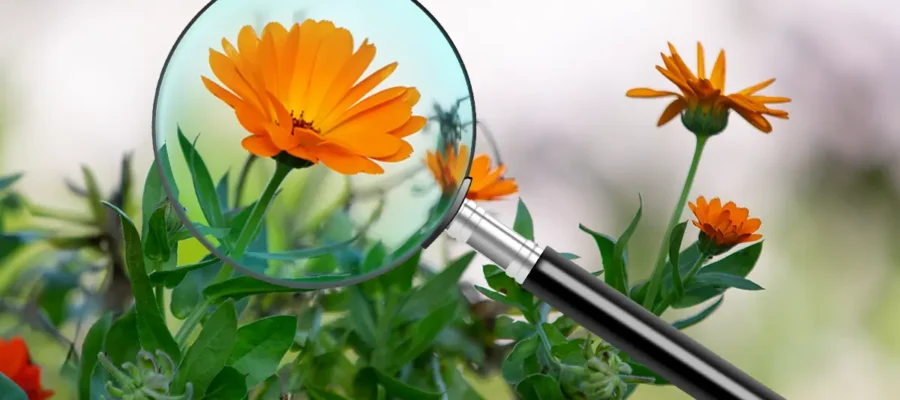
Plants are more than just attractive decor or practical additions to a garden—they can also act as natural weather predictors. Certain plants are highly responsive to shifts in humidity, temperature, and other atmospheric conditions. In this guide, our expert highlights the types of plants that can help forecast the weather and provides insights on how to accurately interpret the signals they give.
Weather forecasting through plants: how does it work?
Plants respond to environmental changes to ensure their survival. These reactions can serve as clues about upcoming weather conditions. Here are some interesting examples:
Daisies: worshipers of the sun and indicators of rain
margherita pizza are known indicators of sunlight. If they open the flowers in the morning, it indicates a sunny day. However, if the flowers remain closed, rain may be on the way.
The magazine for all friends of wild herbs
If you want to learn more about the world of wild herbs, we recommend ours Wild Herbs Magazine (available here). This magazine offers a wealth of information on local wild herbs, their uses in cooking and their health benefits. With many interesting recipes, tips for harvesting and processing aromatic herbs and basic knowledge about nature. The wild herb magazine from Kräuterkeller is an indispensable companion for anyone who wants to bring the power of nature into their kitchen. Printed magazines are available in our shop at
In the village you will also find all our other books and products regarding the world of wild herbs and medicinal plants.
 You can collect summer linden flowers only in July
Pine Cones: Natural hygrometers
Pine cones respond to moisture in the air. In dry conditions the scales open to release the seeds. In case of rain the scales remain closed to protect the seeds.
Dandelion: The weather-sensitive star of wildflowers
Dandelion flowers close in case of rain and open in case of dry weather. So, if you have dandelions in your garden, you can quickly tell from their flowers whether rain is imminent or not.
Marigold: the sensitive friend of the garden
Marigolds (Marigold) are known not only for their bright colors and medicinal properties, but also for their sensitivity to weathering. Marigold flowers remain closed when rain approaches and only open when the weather is dry. This makes them another useful indicator of weather changes in your yard.
Read more These simple wild herb waffles with Gundermann are sure to delight your kids in May!
Silver thistle: the reliable weather indicator
Die Silver thistle is another interesting plant for weather forecasting. Their flowers close in high humidity and open in dry weather. This makes them an excellent indicator of approaching rain.
Weather forecast through mosses and lichens
Mosses and lichens are also reliable weather indicators. They thrive in moist environments, and their color can provide clues to humidity. Vibrant green moss indicates high humidity, while dry, brittle moss indicates drought.
Preserving wild herbs in summer
If you collect aromatic and wild herbs in summer, you can immediately enjoy them fresh. However, preserving wild and culinary herbs is not only practical, but also a wonderful way to capture the flavors of summer. Drying, pickling, freezing, or fermenting can extend the shelf life of these herbs and ensure you have access to their flavor and health benefits year-round. Not all herbs are equally suitable for every procedure. Our book»Preserving wild herbs: the best methods and recipes«(available here) offers detailed instructions on how to collect, process and preserve wild herbs and medicinal plants yourself. He demonstrates how preserving wild herbs can not only enrich your dishes but also save you money. The book is in our shop available. There you will also find our complete guide “With wild herbs and medicinal herbs all year round“(available here).
Natural weather forecasting with plants
Observing plants can be an interesting and useful way to predict weather changes. These natural weather forecasts are not only fascinating, but also an environmentally friendly alternative to technical devices. Try it and let nature guide you! Share this post if you find it useful and follow us for more exciting insights into the world of plants!
Read more Harvesting local nuts in the forest: nutrients and tips
Conlusion
Plants are far more than decorative elements in a garden — they are living sensors finely tuned to their environment. Long before modern meteorology, people observed subtle botanical changes to anticipate shifts in weather. Even today, certain species respond visibly to variations in humidity, air pressure, temperature, and light, offering natural clues about approaching rain, storms, or dry conditions.
For example, pine cones tend to close when humidity rises, signaling potential rainfall. Dandelions and morning glories may fold or close their flowers before a storm, protecting their pollen from moisture. Clover leaves often droop or fold ahead of wet weather, while some fragrant flowers release stronger scents when humidity increases. These reactions are not mystical but biological — plants adapt quickly to protect their reproductive structures and maintain internal balance.
However, interpreting these signals requires attention and consistency. Observing patterns over time helps distinguish between daily plant rhythms and genuine atmospheric changes. A single closed flower does not necessarily predict rain, but repeated behavior under similar conditions builds reliability. Location, season, and plant health also influence how clearly these signals appear.
Ultimately, learning to read plant-based weather indicators reconnects us with traditional ecological knowledge. It encourages mindful observation and a deeper appreciation for the intelligence of the natural world. While plant signals should not replace scientific forecasts, they can complement them beautifully. By paying closer attention to the living environment around us, we rediscover that nature quietly communicates — if we are willing to watch and learn.
Read more What is an onion wrap? | Home remedies for the winter
latest posts published

how to recognize the problem and how to save your lawn
Growing Peas for Beginners: Here’s What You Need to Know
3 ways to clean the gaps between pebbles – without chemicals!
Collecting sprouts: the most common mistakes
my review on the greenhouse harvest –
Which plants and how to cover the garden at the end of winter?

Take care of the graves in autumn, so that they are beautiful even in spring

what you will find in Lithuania if you decide to try it
English style: how to create one in Lithuania