Slugs can be a big issue in the garden, as they eat the leaves and stems of plants, which slows their growth. Luckily, there are many ways to keep slugs away without using harmful chemicals. In this post, we will look at some good methods to stop slugs from getting to your plants. These pests do well in wet, cool spaces, making rainy spring nights especially good for them, particularly when young plants are just put in the garden. Often, gardeners find only stubs where their plants once grew well, as slugs particularly like lettuce, beet seedlings, and the young shoots of courgette and pumpkin plants.
Picking slugs off by hand is one choice, but it can be an unpleasant job and usually leads to the question of what to do with them afterward. Instead of causing them harm or using slug pellets, which can be dangerous to other wildlife, we prefer preventive steps. Our method focuses on shielding the plants, building barriers or creating conditions that make it hard for slugs to reach them.
How to protect young plants from slugs
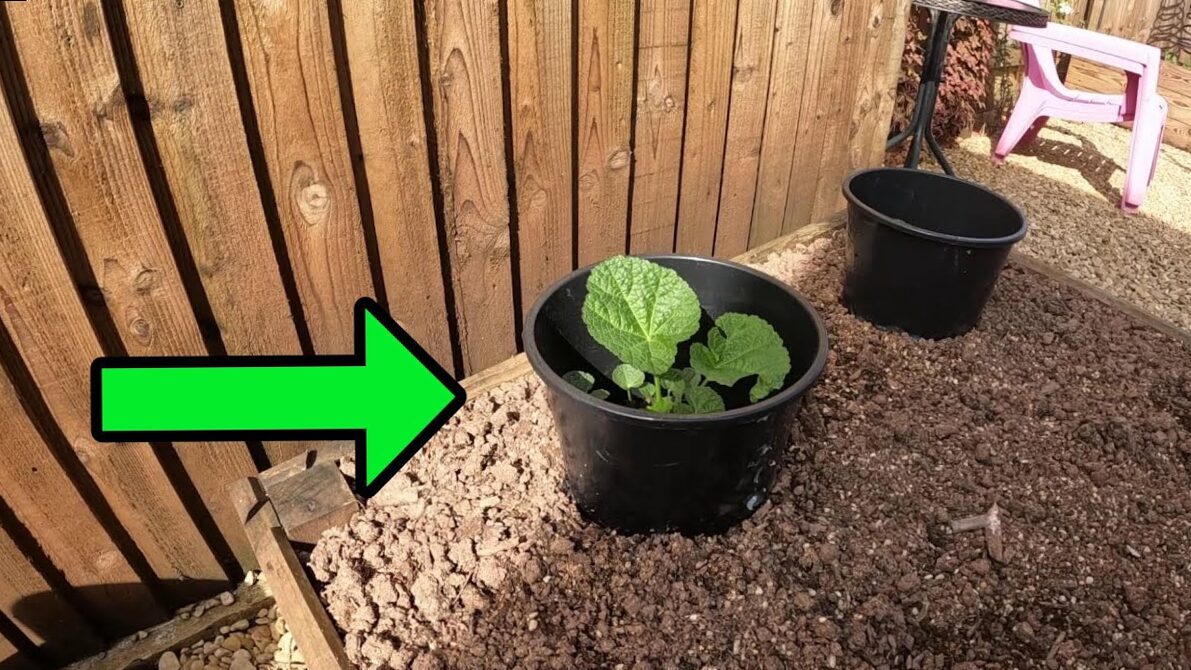
It can also help raise soil temperatures a bit. This can be achieved by letting the sun shine on the soil, removing mulch, or using a dark mulch, which absorbs the sun’s rays and raises soil temperatures. So far we have also protected the plants with a circle of eggshells that we have sprinkled around each plant. However, we were only able to protect a few plants because we couldn’t collect all the eggshells we needed, and when it rained or wasn’t watered thoroughly, they often floated away, leaving the eggshell barrier full of holes. Collecting them and transporting them to the nearest forest edge is not possible every day, so we now rely on a sort of snail collar that goes around the plants.
Read more Rediscover traditional remedies in October
Garden gorilla snail stop
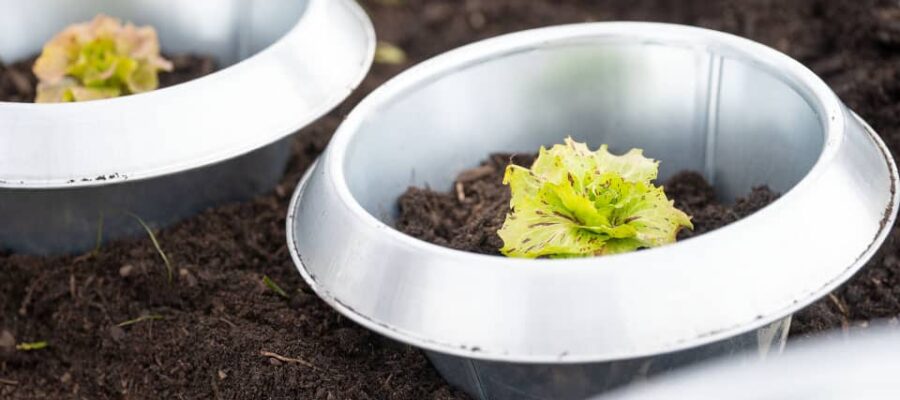
This year we have some garden accessories from Gartengorilla (Click here to go to the store) and that’s how we came across the snail stop. Advertising. It is also made of high-quality sheet steel and can be ordered in a set of 3 in the Gartengorilla online shop (available here). The snail collar is simply placed over the young plant and becomes an insurmountable obstacle for the snails. You turn it into the soil until you reach the heel and make sure that the young plant is completely positioned in the inner ring. No leaves, blades of grass or bent stems should protrude, because they could become a bridge for the snail and it will crawl up the stem to the snail’s stop.
The targeted irrigation of the plants directly in the ring has a second function of keeping snails away because the environment outside the ring remains drier. This tends to discourage snails and make it difficult for them to crawl across the surface of the soil. The snail cap creates a barrier with the collar and ensures that irrigation water stays inside. The snail stopper is also available in sets of 12 at a special price. THE Set of 12 snail stops You can find it in green color Here. Optionally a set of lids is also included, so you can achieve a small greenhouse effect. This supports the growth of young plants in spring and autumn.
Update on the Garden Gorilla breeding range
Maybe you’ve read that we prefer our young plants. This is achieved with the durable and robust Cultivation pallets from the excellent garden gorilla (here is the report). Our young plants became much sturdier and grew faster than in the plastic trays we were previously using. Artichokes, spring onions, beets and some aromatic herbs thrive there. After growing indoors, they can then go outdoors protected with the snail holder and so nothing stands in the way of a rich harvest thanks to the excellent and truly high-quality garden
Conlusion
Slugs may be small, but their impact on the garden can be surprisingly destructive. Thriving in moist and cool conditions, particularly during damp spring nights, they target tender young plants and can quickly reduce healthy seedlings to bare stems. Lettuce, beet seedlings, and the soft shoots of courgette and pumpkin are especially vulnerable, often leaving gardeners discouraged after discovering overnight damage. However, while slugs are persistent, they are far from unbeatable.
Read more 6 plants you absolutely need to know
The good news is that effective slug control does not require harsh chemicals. By understanding their habits and preferred conditions, gardeners can implement preventative and natural strategies. Reducing excess moisture, watering in the morning rather than the evening, and improving airflow around plants can make the environment less inviting. Physical barriers such as copper tape, crushed eggshells, or protective collars around seedlings provide additional defense. Simple traps, including beer traps, can also help reduce slug populations without harming the surrounding ecosystem.
Encouraging natural predators like birds, frogs, and hedgehogs further strengthens long-term control. A balanced garden ecosystem often regulates pest populations more effectively than chemical treatments, while preserving soil health and biodiversity. Consistency is key: regular inspection, especially during wet periods, allows you to intervene before serious damage occurs.
Ultimately, managing slugs is about strategy rather than eradication. By combining preventive care, natural deterrents, and attentive monitoring, you can protect your plants while maintaining an environmentally friendly garden. With patience and the right approach, your seedlings can thrive — even during the damp nights that slugs love most.
Read more
 Natural incense cones and candles for difficult nights: DIY instructions
latest posts published

how to recognize the problem and how to save your lawn
Growing Peas for Beginners: Here’s What You Need to Know
3 ways to clean the gaps between pebbles – without chemicals!

Collecting sprouts: the most common mistakes
my review on the greenhouse harvest –
Which plants and how to cover the garden at the end of winter?

Take care of the graves in autumn, so that they are beautiful even in spring
what you will find in Lithuania if you decide to try it
English style: how to create one in Lithuania