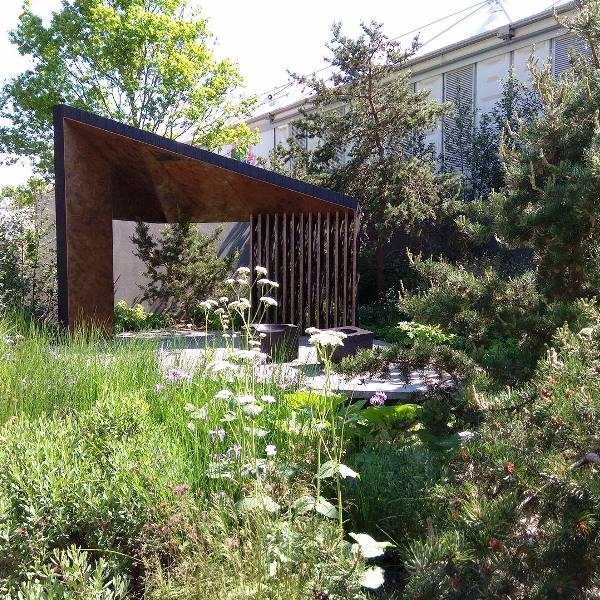
When planning a garden, we often rely on our neighbors’ ideas and intuition without understanding basic design principles, making it easy to make mistakes. «Think before you act,» as the proverb says. But garden planning is not so simple: it requires considerable knowledge and careful consideration, including all aspects of purchasing, installation, and planting. Instructors at the modern gardening course «Yellow Wheelbarrow» will introduce the most common mistakes in garden planning.
In many ways.
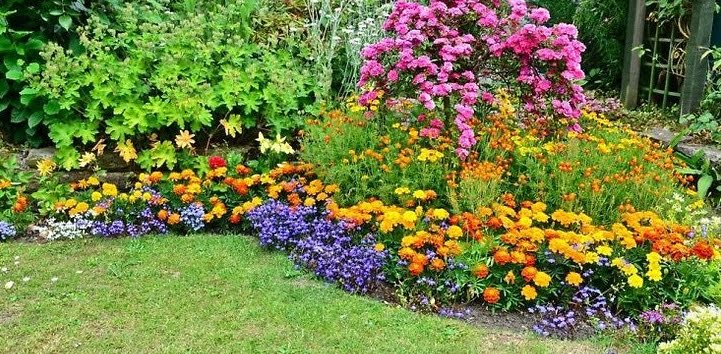
Too much variety in plants and materials – I saw what I liked and planted it where there was space. To create a unified style, landscape architects suggest choosing a limited list of plants and using it at the time of purchase. Don’t go to the plant fair if you don’t have this list, advises Vaida Vaitkutė-Eidimtienė. Create a garden not spontaneously, but carefully. Resist collecting plant species, as it is difficult to create a beautiful, coherent image from many different plants. Choose a smaller number of types, colors, shapes, combine them with each other. Plant plants in groups, not scattered one by one.
The proportions in the texture are not maintained.
The proportions of the plot, if violated, are often not even noticed: we understand that something is wrong, and that’s it. When planting plants near the house, it is necessary to take into account the architecture and dimensions. A large and tall tree is not suitable for a small plot near a low house, because the house will look like a dwarf. And small plants are not suitable for a tall house, because the house will seem disproportionately gigantic. Even with regards to plants it is necessary to maintain proportions. Do not multiply conifers: by themselves they make the plot boring and static. Deciduous trees enliven and introduce dynamism at different times of the year.
Too much lawn.
Let’s talk about proportions again. A common case: almost the entire plot is sown with grass, on the edges thuja hedgeand in one place a small low flowerbed or rock garden. Lots of lawn, few other plants: this means too much flat space and too few volumetric elements. Courtyards should be more lush, more vertical elements, small architectural structures, notes Goda Characiejienė, teacher of the «Yellow Wheelbarrow» course. I wait requires intensive care, but does not give the garden a face or character.
Read more Weed Puller: Find out how easy it is to pull milkweed
Landscape designer Sandra Kanapeckaitė suggests in her courses to leave the lawn only as much as is really necessary, because it requires intensive care: mowing, fertilizing, weeding, spraying. If you do not walk to the farthest part of the site, it is better to plant it with sedges, hillocks or other undemanding perennials.
Excessive control of nature.
A common goal is to create a tidy, even barren, garden. For example, a large area of weed-free lawn, high-maintenance plants, precisely shaped trees. And in vain, because nature is not an interior. Exaggerated decorativeness, a clean environment seems lifeless, synthetic, it is necessary to leave the freshness of nature. Take your time to sweep away every fallen leaf, leave at least a feeling of free nature. There must be order and structure in the garden, but the filling could often be more natural.
- Pre-existing conditions are not considered.
If you choose plants based on beauty alone, it’s natural to sometimes miss the mark. Then it happens that the colored leaves turn green, the dry-loving ones rot in clay soil and the sun-loving ones do not bloom in the shade. Vaida Vaitkutė-Eidimtienė he says plants are often planted haphazardly without considering the conditions those plants require. It is not suitable to plant perennial flowers that require both wet and dry conditions nearby – some will certainly wither. It is not optimal to place plants that love soil with a different acidity, for example, rhododendrons in the center of the flower garden. Canopy plants planted in a sunny place can burn, dry out, change color. Plants must be selected and combined based on the solar regime, based on the soil, acidity, based on the need for water. And only then according to beauty.
The article was published on the Delfi Manonamai.lt portal on 15 October 2014. The photos were used by this publication.
Read more Ła Marija Bujauskaitė: the gardening office of a talented Lithuanian
There are even more examples and photos of what the most common errors look like in this video
Land planning and design: we learn together with a specialist in the courses «My garden design». They are organized several times a year in major cities. They are intended for amateurs who want to design the spaces of their land in a comfortable and elegant way. The groups are small, everyone works on their own plot plans. We invite you to register to get closer to the construction site of your dreams and avoid mistakes.
Conclusion
People often plan their gardens with enthusiasm, but often lack sufficient preparation. Many blindly imitate their neighbors, follow online trends, or act on intuition, believing that the placement of plants and structures is purely a matter of personal preference. However, as the saying goes, «think before you act.» In fact, designing a fully functional, beautiful, and sustainable garden is far from a spur-of-the-moment decision. It requires knowledge, vision, and a comprehensive understanding of design principles.
One of the most common mistakes in garden planning is neglecting the long-term growth and maintenance of plants. Plants that seem small and easy to care for when purchased may grow too large after just a few growing seasons, exceeding space limitations and ruining the original design. Similarly, ignoring soil conditions, light, drainage, and climate adaptability can lead to costly remedial measures later. Poor planning often results in unnecessary expenses, repeated replanting, and a frustrating experience.
Read more composting alphabet and video reportage
Another common problem is failing to adequately consider the practicalities of garden layout and purpose. Pathways, irrigation systems, rest areas, and lighting should be incorporated into the initial planning, not added afterward. A garden is more than just a decorative space; it’s a vibrant environment to be used, cared for, and enjoyed. Even the most beautiful design can become impractical without clear planning and well-defined goals.
Modern gardening courses like the «Yellow Wheelbarrow» offer valuable insights into helping gardening enthusiasts avoid these pitfalls. By learning from experienced instructors, participants gain a deep understanding of common planning mistakes and practical strategies to avoid them. Structured guidance transforms garden design from mere guesswork into a thoughtful process based on design logic and horticultural knowledge.
Ultimately, successful garden planning combines creativity with knowledge. Inspiration is important, but it must be built upon a careful assessment of site conditions, plant habits, and maintenance needs. Thorough planning saves resources, reduces stress, and creates a garden that thrives for a long time. A well-designed garden is not accidental—it is the result of meticulous planning and wise decision-making.
Read more Garden robot: how not to make mistakes and what to know before purchasing
latest posts published

how to recognize the problem and how to save your lawn
Growing Peas for Beginners: Here’s What You Need to Know
3 ways to clean the gaps between pebbles – without chemicals!
Collecting sprouts: the most common mistakes

my review on the greenhouse harvest –
Which plants and how to cover the garden at the end of winter?

Take care of the graves in autumn, so that they are beautiful even in spring

what you will find in Lithuania if you decide to try it
English style: how to create one in Lithuania