When spring arrives, it’s time to get out and do things, not plan. Now consider where, which and how many vegetables you will plant in your garden. Then the vegetables will grow well and you will be able to enjoy the harvest. One of the principles worth knowing and applying in your garden is crop rotation.
What is crop rotation? This is basically crop rotation. Some vegetables need more than one nutrient, some others. If you grow the same vegetables in the same bed for several years in a row, the soil will wear out and the elements most needed for those vegetables will become increasingly depleted. Furthermore, the parasites will not have to travel far, so they will be able to attract more and more of them. Specific disease infections of these vegetables will have favorable conditions to live and expand. Weeds also adapt to a type of vegetable and grow more and more.
Therefore, if the same group of vegetables is grown in the same place for several years, then every year their yield decreases, decreases, and diseases and pests increase.
This fact is based not only on the experience of our elders, but also on scientific research. Large agricultural companies have been applying (and must apply) the principles of crop rotation for some time, but even in a small nursery it is worth remembering the main points.
Read more To transform bare boards into a cozy terrace / Yellow wheelbarrow
HOW TO APPLY CROP ROTATION IN A SMALL GARDEN
So that every gardener does not have to delve into scientific articles, you can simply look at crop rotation and group vegetables into several groups:
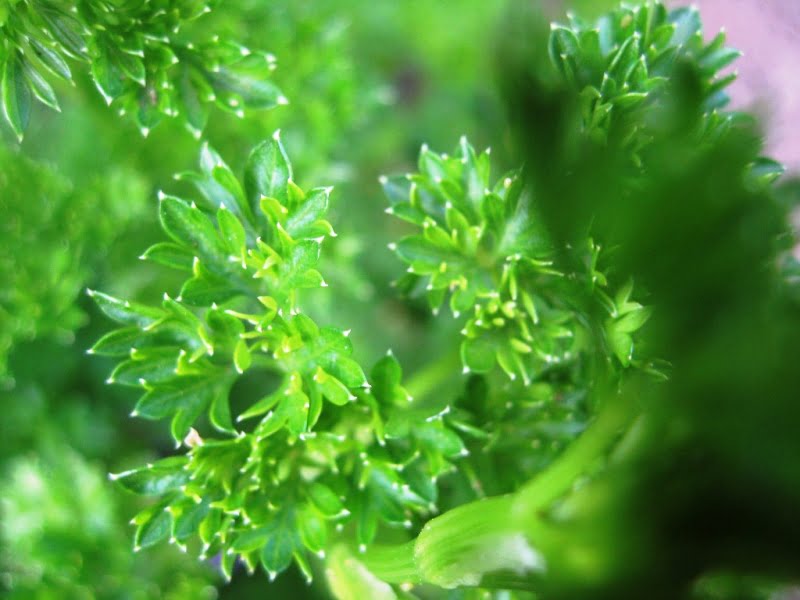
1) leafy and spicy vegetables (lettuce, dill, spinach, parsley, pepper, sorrel, basil)
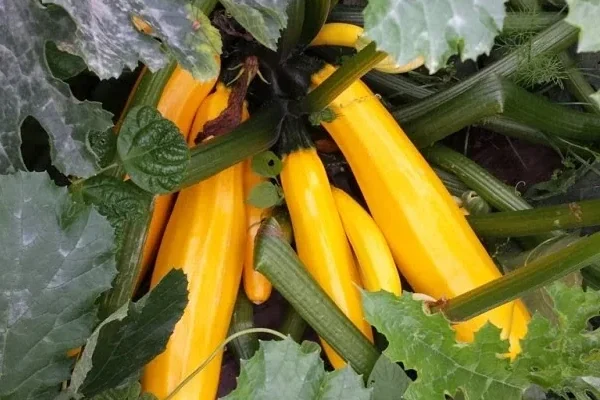
2) fruit vegetables (tomatoes, cucumbers, peppers, pumpkins, courgettes, aubergines, squash)
Read more Designing the Environment on an Empty Lot: Where to Start for Settlers
3) root vegetables (carrots, beets, potatoes, radishes, parsnips, celery, Jerusalem artichokes) and cruciferous vegetables (cabbage, broccoli, cauliflower)
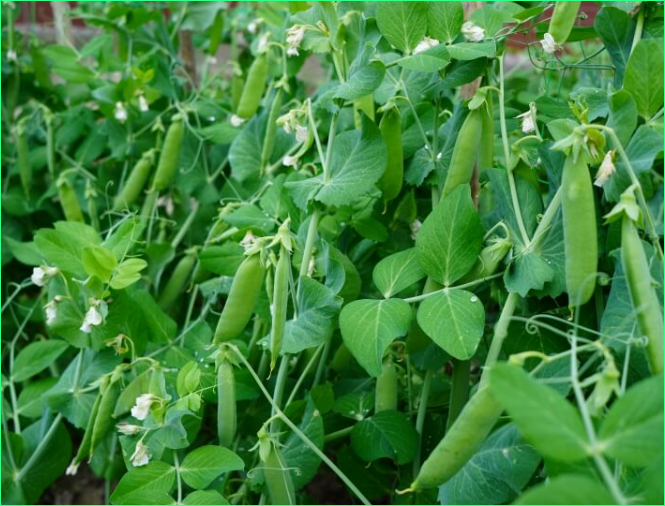
4) legumes (beans, kidney beans, peas)
Each group of vegetables requires certain nutrients. Additionally, root vegetables and cruciferous vegetables absorb nutrients from the deeper layers of the soil, while leafy vegetables and some bulbous vegetables absorb more nutrients from the upper layer. Legumes have a special role: they increase nitrogen and enrich depleted soil.
CORRECT QUEUE ORDER
It is not enough to sow the same vegetables every two years: a break of at least 3 years is necessary. Therefore, it is easier to divide vegetables into several groups and sow each year in a different bed according to the principle of rotation.
Read more A small garden, a hundred possibilities: here is a concrete example
This is easy to do in a small garden if you have one four beds: Assign each of them to a group of vegetables. For example, if one year you allocated the first bed for potatoes, the next year plant in the second.
Some examples of crop rotation:
Potatoes – peas – tomatoes – cauliflower
Radishes – courgettes – lettuce – beans
Cucumbers – beets – onions – beans
Perennial vegetables (strawberries, strawberries, rhubarb) are grown separately. But if you are renovating, also look for a new place in the garden.
EVEN BIGGER HARVEST
For an even bigger harvest, don’t just change the beds. Before planting the next vegetables, you may be able to grow an early crop. Alternatively, after harvesting early vegetables, you can still grow low-growing vegetables for late harvest.
Read more How to transplant an orchid: detailed instructions for beginners
This method is advantageous not only because the soil does not remain empty, but also because better soil conditions can be balanced. Here it is some exampleswhat should be grown to get two crops from one area:
- Before tomatoes, eggplants, peppers, we sow early lettuce, radishes, peppers.
- After the early harvest of winter cabbage, radishes and turnips.
- After harvesting early potatoes, broccoli and other cabbage for later consumption.
- After harvesting peas, lettuce and other herbs for the fall harvest.
If you have harvested, but there is still time until winter, sow siderate cultures: mustard, vetch, alfalfa, etc. They will supplement the soil with important trace elements and organic matter, so next year’s harvest will be even better.
GROW VEGETABLES FOR LOST
Another way to balance the quality of the soil, or to be more precise, to unbalance it less, is to plant some vegetables in the mix. Different types of vegetables grown together absorb nutrients from different layers of soil, they are compatible at different times, it is more difficult for pests to find their tidbit. This method is used in natural farming. We won’t call it crop rotation, but it’s basically based on the same key principles, the soil and nutrient needs of each plant. Ingė Auželiene in the courses» Modern garden and vegetable patch» says that whatever cultivation method we choose: organic, natural, traditional or other, we must still know the most important needs of the plant (you can learn this in the courses).
ADVICE FROM PRACTICE
Whatever you choose, anyway marked. If next year you still remember where you sowed the carrots, in a year you will no longer know who it was and where. If you grow more than one crop a year, if you grow vegetables for waste, it’s even harder to remember.
Designate a notebook for your observations or find a handy app on your phone. Mark where you planted, what grew well, what didn’t adapt well. When you have at least three years of notes, you will find that you can draw great conclusions and avoid many mistakes in the future.
latest posts published

how to recognize the problem and how to save your lawn
Growing Peas for Beginners: Here’s What You Need to Know
3 ways to clean the gaps between pebbles – without chemicals!
Collecting sprouts: the most common mistakes
my review on the greenhouse harvest –
Which plants and how to cover the garden at the end of winter?

Take care of the graves in autumn, so that they are beautiful even in spring

what you will find in Lithuania if you decide to try it
English style: how to create one in Lithuania