Winters are increasingly difficult to predict and there are thousands of plant varieties on the market. How do you know if a beautiful new plant planted this year will survive the winter? Does it need to be covered, tied and stored? Is it soft or durable and not afraid of the cold? And do you know what they are? plant resistance zones that little plant? You could say it is the main criterionwhich clearly defines what to follow.
WHAT ARE PLANT RESISTANCE ZONES
Will the plant survive the cold season? This question gives no peace to gardeners all over the world. Thus, a unified system is created that divides the entire globe into frost-resistant zones.
Lithuania falls into three cold hardiness zones: 4, 5 and 6. The lower the number, the lower temperature the plant can survive. The higher the number, the harder it will be to deal with the cold. In the eastern part of Lithuania (Vilnius, Švenčionys, Ignalina, Rokiškis and further east) zone 4 dominates, in central and southern Lithuania zone 5, while warm sea nights and milder winters lead to zone 6 in the western part of Lithuania.
I lied a little: that system is not that unified. Some sources say that the whole of Lithuania is divided into zones 5 and 6. Some say that even plants from zone 7 can survive here. However, let’s be realistic and follow the Lithuanian practice: in the eastern part of Lithuania, plants with a hardiness zone 4 and lower will winter well, and those classified as zone 5 should survive on the coast.
Read more Growing Broccoli From Seeds: Try It Yourself!
HOW DO YOU KNOW?
Simple: read the label. Foreign plants with colored labels usually have not only care symbols but also the plant’s hardiness zone number. Look for the inscription in English “resistance zone”. It happens that even nameless red roses from the nearest supermarket do not have a specific variety name on the label, but the frost hardiness zone is indicated. Pay attention to this.
Even better, if you know the goal name of the breed. Then the almighty Internet will tell you which hardiness zone this plant belongs to. Don’t be fooled when you find a lookalike, you need the exact breed you are looking for. There may be very similar plants, but one is zone 4 and the other is zone 5.
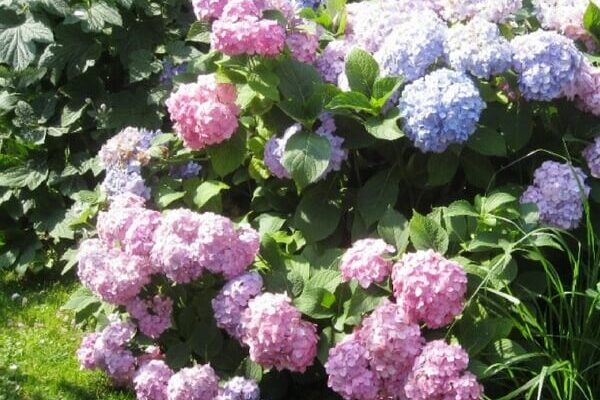
Do you need samples? Let’s look at hydrangeas. Bright hydrangeas (here, those that bloom with large tubers and are often found on farms) and broom (conical inflorescences, often transitional colors) feel great in areas from zones 4 to 9. oh large leaf hydrangea (which blooms with flowers in shades of bright pink to blue) is assigned to zones 5-9. It is therefore not surprising that the inhabitants of the Molėtai lake area constantly see removals and difficulties with coverings when growing large-leaved hydrangeas. Meanwhile, the Cretans will grow this hydrangea successfully.
The same applies for edible plants. Most varieties of peaches and apricots require a milder climate, so they do not grow well throughout Lithuania. Check the resistance zone before purchasing.
Read more Nurseries in Poland and «Green is life 2024» exhibition: my impressions
WHEN THE ZONE OF RESISTANCE DOES NOT CORRESPOND TO THE TRUTH
Plant hardiness zones should be a good guide, but don’t trust them blindly. Let’s start with the bad news: there are conditions that make the situation even worse.
This the wind The top of the mountain, crossed by the wind, is not the best microclimate for plants. So it’s no surprise that even those with a hardiness zone of 3 or higher may not survive the winter.
Pot. It is something that freezes and does not provide sufficient protection to the roots during the winter. Plant the plants in pots with a number 2 zone smaller than yours. For example, if your region’s hardiness zone is 6, plant plants rated at least zone 4 in a pot for the winter.
Heating. Early spring thaws are as deadly as extreme cold. Plants in warmer regions often rest in their «winter sleep» for a shorter period, so the first warm weather can wake them up for spring. Later, when the cold weather returned, they froze the newly bloomed buds and buds. Conclusion: the plant can be killed not by the winter rush, but by the deceptive spring warming. Therefore, even in the western part of Lithuania, plants classified in zones 6-7 should not be viewed with great enthusiasm.
Read more Landscape trends for 2017 – Geltonas Karutis
What else with reliable plants that survive in zone 3 or 4. Think about apple trees: the sun that came out in February does not bother them, they will not even wake up from hibernation, but calmly wait for their time.
HOW CONDITIONS CAN BE IMPROVED
A good microclimate is half the success. It is possible to grow plants from a higher zone than the region, if there are suitable conditions in the yard. Hedge intercepts the strongest gusts of wind and makes the air flow smooth? This is already an advantage. Is the land fertile, doesn’t the water stagnate? Another plus. Is there a slight perforated shade? It is also good because it shelters the hot sun in early spring. Many of these nuances can help you grow successfully.
Improving conditions: protect roots from frost mulch with leaves or peat. This method is liked not only by herbaceous plants, the aboveground part of which dies for the winter, but also by trees and shrubs. Some species and varieties of magnolias are more lush, and mulching is particularly suitable for them, because the roots are located on the surface of the soil. Even a simple deciduous hedge creates a protective layer of mulch by shedding its leaves.
So that the above-ground part of the plant does not suffer from spring warming, cover it with fir branches, agro-covering, special covers. This will not only protect you from direct sunlight. This will generally reduce sudden temperature spikes, as the covered plant will not heat up as quickly and day and night temperatures will be more uniform underneath it.
Read more The flowering festivals in spring 2018 and the calendar of seedling fairs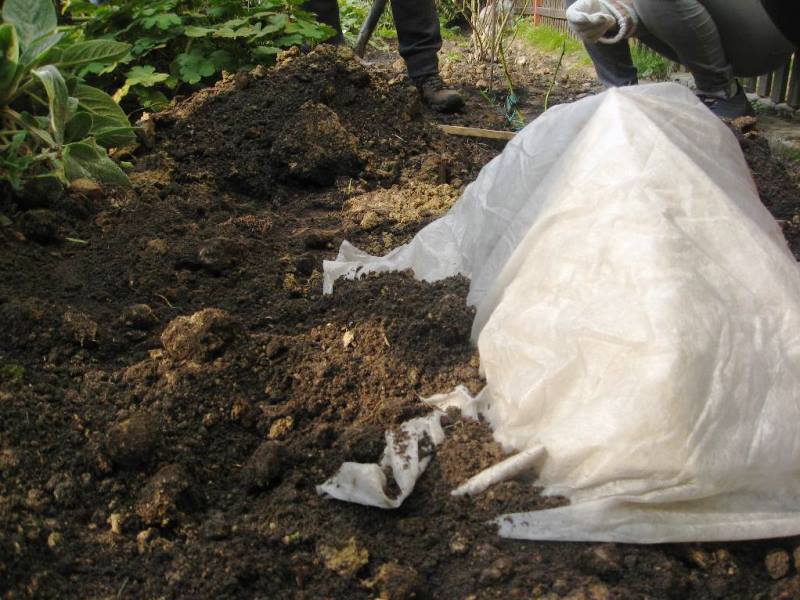
Snow it is the cheapest and most effective means of maintaining a stable temperature. Unfortunately there isn’t always enough. If you have snowdrops in your flowerbed, keep throwing them away as the snow melts to keep them covered as long as possible.
ADVISE
Look for hardiness zone details regarding the type of plant you are growing and stick to them. Nevertheless, remember that the growing circumstances are quite different from what we have here; Lithuanian winters can be tricky. Yet, this does not mean that if you grow a plant outside of its hardiness zone, it will definitely die without good luck.
That «problem» might show up if the buds freeze, and then you won’t have flowers for a year. The chance of this happening increases if it blooms on branches that are two years old (like large-leaved hydrangeas).
It is possible for the branches to freeze each year (especially the new shoots), but you might not notice any loss since they will freeze again within the same year – this is common with European down in the eastern parts of Lithuania (where its plant hardiness zones are 5-7).
The plant might grow and survive, but it may not be as tall, bright, or colorful as it should be. For instance, Imperata ‘Red Baron’ (Zone 5-9), which is supposed to be bright red and reach up to 50cm, might only grow to 20-30cm and have a pale pink color in zone 4.
This means you can always take chances: there is a chance the plant will make it even in not-so-great situations. It may not be its best each year, but you can always give it a go and see how it turns out.
The one exception is having a lot of the same plant type. The more of the same kind in one spot, the stronger the impact will be. Nonetheless, having more frozen plants in one area can lead to a much larger mess in your flower bed or garden. So, try a few plants that are not suited for your hardiness zone first and only then think about a larger amount.
In landscaping classes, we found out that managing knowledge is crucial. Understanding the plant hardiness zones in your area generally provides useful information about the plants you are interested in, and it will be easier to decide whether to take a chance or look for a more dependable choice.
latest posts published

how to recognize the problem and how to save your lawn
Growing Peas for Beginners: Here’s What You Need to Know
3 ways to clean the gaps between pebbles – without chemicals!
Collecting sprouts: the most common mistakes
my review on the greenhouse harvest –
Which plants and how to cover the garden at the end of winter?

Take care of the graves in autumn, so that they are beautiful even in spring

what you will find in Lithuania if you decide to try it
English style: how to create one in Lithuania