The sooner you prepare the greenhouse, the sooner the soil will warm up and you will be able to sow radishes, greens and other early vegetables. What preparatory work is required greenhouse in springadvises Ingė Auželienė, horticulture specialist, teacher of our «Yellow Wheelbarrow» gardening courses.
WHY IT IS NECESSARY TO CHANGE THE SOIL IN THE GREENHOUSE
In order for the soil to be rich and healthy, it needs to go through the natural processes of nature and be refreshed regularly. If the same crops are planted in the same area for a few years in a row, the same minerals are taken from the ground, pests that belong to those plants make a home there, and the illnesses typical for those crops can develop there. This is what occurs in a greenhouse.
When we cultivate vegetables outside, we can solve this issue by using the technique of crop rotation, which means shifting the kinds of vegetables grown each year: one year root vegetables, another leafy vegetables, and so on. Some vegetables take up more specific nutrients, while others just add nitrogen to the ground (like beans: peas, beans, green beans). Another method often used by supporters of organic farming is to plant several varieties of vegetables in one bed.
It is challenging to apply both strategies in a greenhouse, as they are usually filled with cucumbers and/or tomatoes. We can’t switch plants: that is why we change the soil.
Read more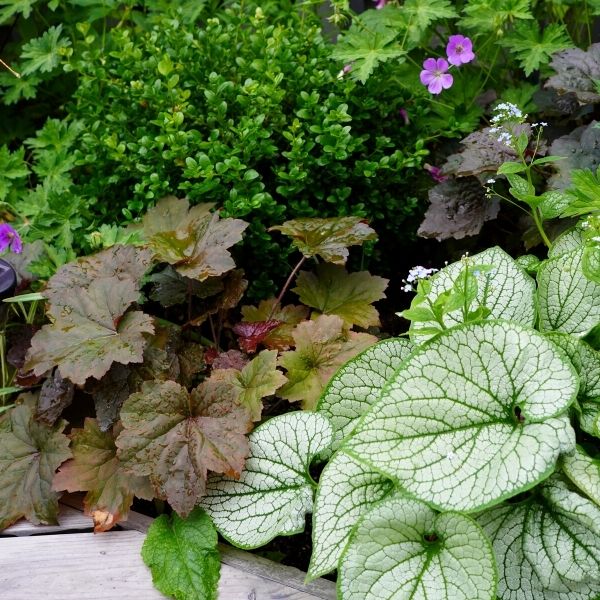 How to plant a terrace, especially when part of the plants are in the shade
HOW TO IMPROVE THE SOIL IN THE GREENHOUSE
If the soil in the greenhouse has not been changed for many years, it is worth doing it now, before spring work. How do you know if you need to change? Take a handful in your hands: good, healthy soil has a crumbly structure, worn soil is cracked and hardly absorbs moisture. If you have changed or improved the soil in the greenhouse a long time ago, the yield will probably be less and less and diseases will attack more and more: this is also a sign that the time has come to do this work.
To replace the primerdig a layer of at least 10 cm. It is likely to be infected with diseases, so it is also worth creating a separate compost pile, layering it with garden soil, organic waste and letting it sit quietly for at least a couple of years. Bring good compost into the greenhouse (preferably from your garden), you can add rotted manure or manure pellets to the soil.
If the soil in the greenhouse was prepared a year or two ago, now the soil there is no need to changeit will be enough to improve with compost or by adding spring fertilizers.
Read more A beautiful greenhouse not only for growing tomatoes, an example from the Kaunas region
MULCHING IN THE GREENHOUSE
It is best to clean last year’s mulch and throw it into the compost in the fall. If you haven’t, now is the time. An old layer of mulch can be a perfect breeding ground for fungal diseases.

Get new mulching tools. The specialist says that in summer it is a good idea to mulch with hay, whose light color reflects the light and prevents it from overheating too much. And in early spring he recommends the opposite: to use dark mulchfor example. compost or deacidified peat. Dark mulch will absorb heat better and retain it longer, which is especially important during dangerous spring temperature swings.
CLEAN THE GREENHOUSE STRUCTURES
It is not necessary to clean the greenhouse structures with chemicals every year, but it is necessary to maintain cleanliness and order, especially if no diseases or pests occurred in the previous year. If possible, avoid strong chemicals, such as a solution of copper sulfate, quicklime. Such tools kill not only parasites, but also other living organisms. Some people use household cleaners diluted with chlorine to clean structures (metal guides, frames, etc.), but it is very important not to let it fall to the floor. After all, he will then have to grow a healthy and crunchy cucumber that will come to your table.
Read more Online landscaping courses: we present the programs
Use organic household cleaners, probiotic solutions, warm water, potassium soap and other natural remedies.
ENSURE HUMIDITY
If your greenhouse has been covered this winter, you have no humidity problems, the soil is adequately watered.
«It is very healthy to put snow in a covered greenhouse in winter. If you have not done so, it is definitely not enough to water it before planting. The moisture must be absorbed well, so water abundantly now and do it several times until the first planting,» advises Ingė Auželienė, teacher of gardening courses.
Also check your irrigation system, if you have one. Depending on your system and wear, you may need to replace the hoses or simply flush them. Check if everything works, pay attention to missing parts.
Read more The incredible glory of Lithuania: Ła Marija was the first to win an Oscar for landscape design
Now it is possible to cover the greenhouse with polyethylene cover – cover firstThe sooner the soil warms up inside, the sooner you can taste your radishes, onion leaves and other early greens. The greenhouse is ready for spring: it’s time for the first delicacies!
If you have more serious problems with greenhouse cultivation, or if you simply want to learn the basics of cultivation and apply them successfully in your garden, take part in the short and practical «Modern Garden and Vegetable Garden» courses.
latest posts published

how to recognize the problem and how to save your lawn
Growing Peas for Beginners: Here’s What You Need to Know
3 ways to clean the gaps between pebbles – without chemicals!
Collecting sprouts: the most common mistakes
my review on the greenhouse harvest –
Which plants and how to cover the garden at the end of winter?

Take care of the graves in autumn, so that they are beautiful even in spring

what you will find in Lithuania if you decide to try it

English style: how to create one in Lithuania