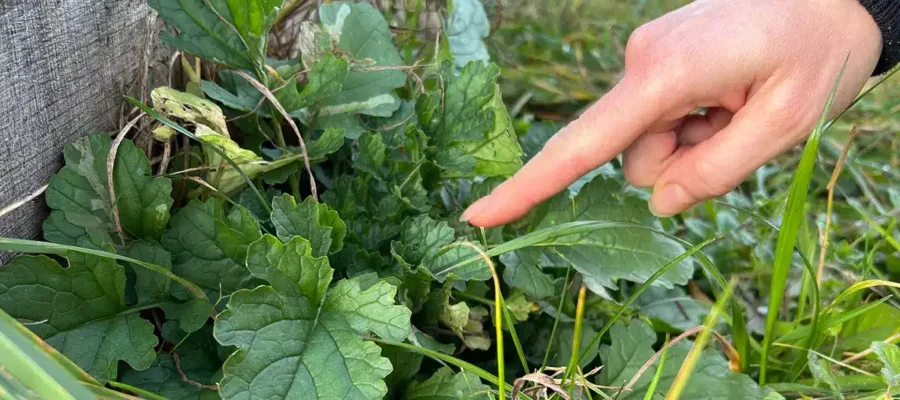
In November, when much of the garden has faded, it remains green and inconspicuous: an inconspicuous rosette on the ground that almost no one notices. But what seems harmless is actually one of the most poisonous plants in Europeragwort (Senecio jacobaea). Now, in late autumn, the plant is particularly insidious. It is short, produces no flowers and is easily overlooked or taken for granted Dandelion confused. It is precisely at this stage that their leaves often end up in hay or green fodder, with fatal consequences for the animals.
Why ragwort is so dangerous in November
Ragwort contains Pyrrolizidinalkaloidnatural poisons that destroy the liver. They do not work immediately, but accumulate in the body with each intake. Even small amounts can cause irreversible long-term liver damage. Affected animals lose their appetite, appear weak, thin and subsequently show yellowing of the mucous membranes, a clear sign of serious liver poisoning. The tricky thing is that by the time symptoms become visible, it’s usually too late.
In November the most dangerous stage is found: the young rosette of leaves
Many people only know ragwort in its typical summer form, with bright yellow flowers. But in autumn and winter the plant remains as a flat, green rosette. Its leaves are close to the ground, cut in a pinnate shape and resemble dandelion or wild thistle. At this time, before flowering, the plant contains a particularly high amount of toxins. If it is accidentally mowed in this form, it ends up in animal feed. And the poison remains active in hay even when dried, unlike many other plants.
Read more The healthiest vegetables in the world? Now, in November, it grows completely free of charge outdoors, in nature
It is dangerous for the lives of these animals
Not all animals are equally sensitive to ragwort, but for some it can be fatal:
- Horses: extremely sensitive; Just a few hundred grams of fresh plant can be fatal.
- Bovine: a little more resistant, but even in this case repeated exposures lead to liver failure.
- Sheep and goats: Small amounts can detoxify, but higher intakes also cause disease.
- Rabbits and guinea pigs: Even small amounts in food can cause poisoning.
Since the plant is often confused with other plants in autumn, this is the most dangerous time.
How do you recognize them
If you find green rosettes in the garden, on pastures or along roadsides, pay attention to these characteristics:
- Leaves: deeply cut, soft, dark green in color with slightly reddish stem.
- Growth: lying on the ground, it forms circular rosettes.
- Positions: open, nutrient-rich areas, roadsides, pastures or compost sites.
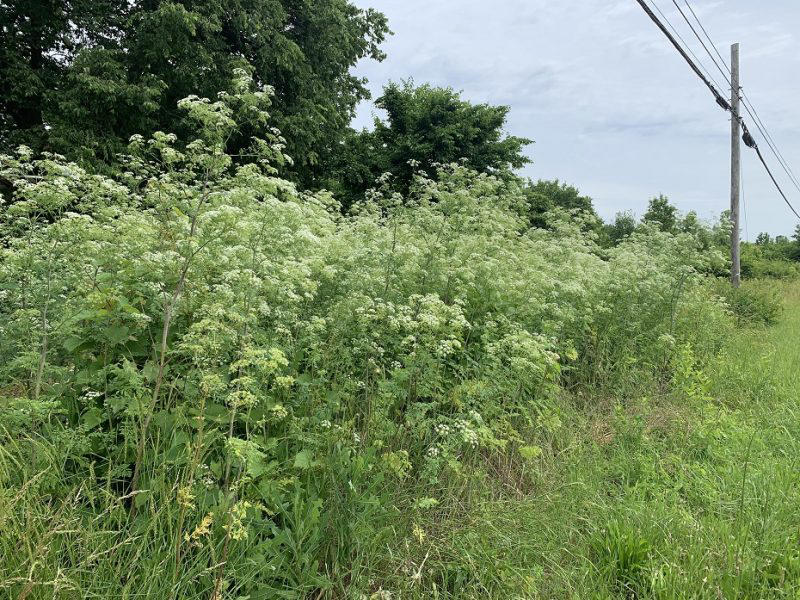
In spring, a stem up to 1 m high with many yellow flower heads grows from it, by which time it is usually too late
Read more Herbs and woods to strengthen and purify incense blends in winter
From Poisonous to Edible: Correctly Identify Wild Plants
Not everything that grows in the wild is dangerous. Many plants that seem similar at first glance are edible wild herbs rich in healing properties. Especially in autumn it is easy to confuse what is edible and what is not, which is why confident identification is so important. 📖 Suggestion: In our book “With wild herbs and medicinal plants all year round“(available here) we show month after month which wild plants you can collect, eat or use for home remedies. With lots of photos, harvesting tips and practical advice for every season.
Why does the plant spread so quickly
A single St. James’s wort plant can produce over 100,000 seeds that are carried for miles by the wind.
It loves open, sunny areas and spreads particularly well where regular mowing or maintenance is not required.
Climate change further promotes their growth. Milder winters ensure that it remains active for longer and longer.
When do edible wild herbs actually grow?
Those who live in harmony with nature should have the basic knowledge to be able to collect safely and harness the power of nature. If you know when the plants grow, you can harvest all year round, safely and in harmony with nature. 🗓️ Our seasonal calendar of wild herbs (available here) shows you at a glance which herbs you can harvest each month Nettle encore yarrow. Perfect for the kitchen, garden or as a gift for herb lovers.
This is what you should do now in November
Now is an ideal time to identify and remove the plant:
Read more This underrated plant makes Christmas dinner easier and healthier!
- Wear gloves! The poison can be absorbed through small skin lesions.
- Prick the entire plant with the roots.
- Don’t throw it in the compost! The alkaloids remain active there too.
- Dispose of with residual waste.
- Check areas regularly, especially where animals graze or hay is made.
If you mow regularly and remove the rosettes early, you will prevent the plant from reseeding itself next year.
Why attention is so important now
I am November they are easy to overlook. No flowers, no flashy yellow, just green leaves among the autumn leaves. But right now the plant is laying the foundation for its growth next year. Whoever removes them now will protect their animals, their pastures and also biodiversity. Ragwort displaces native grassland plants and deprives insect species specializing in other grasses of their sustenance.
What to do if you discover Jakobskreuzkaut?
Ragwort is not an ordinary wild plant, but a dangerous poisonous plant that often goes unnoticed in autumn. It grows where we least expect it, in the garden, on pastures, along roadsides. Now, in November, when it is lying on the ground, is the best time to identify and remove it.
Read more
 Because this herbal vinegar cannot be missing from every medicine cabinet in winter
latest posts published

how to recognize the problem and how to save your lawn
Growing Peas for Beginners: Here’s What You Need to Know
3 ways to clean the gaps between pebbles – without chemicals!
Collecting sprouts: the most common mistakes
my review on the greenhouse harvest –
Which plants and how to cover the garden at the end of winter?

Take care of the graves in autumn, so that they are beautiful even in spring

what you will find in Lithuania if you decide to try it
English style: how to create one in Lithuania