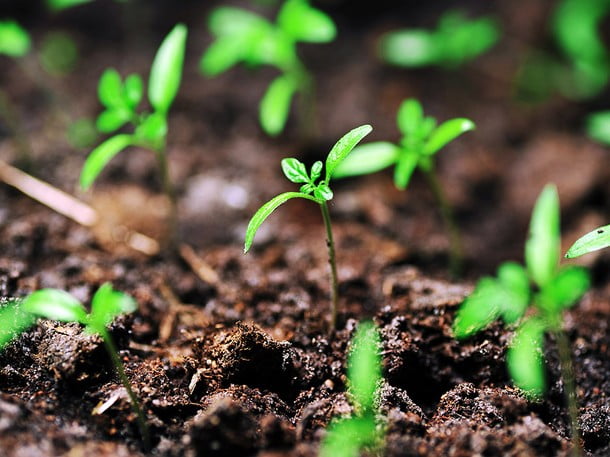
When the young plants can no longer stay in the pot or growing area, they need to be picked. It appears to be a simple job, but there are some important points to remember. Don’t create problems that have already been solved and avoid making usual mistakes:
Picking too soon or too late
You might not damage the seedlings but they can be harder to recover. We generally know when to pick after noticing the first true leaves. If the seedling is weak, it will struggle to establish roots. If it is too large, stretched out, if the pot is too small for the roots, or if the roots of several plants are tangled together, it will be more challenging to grow. Essentially, this means a more complicated picking process which leads to a later harvest. Keep this in mind when planting: starting too early can have the opposite result, leading to a delayed harvest.
The wrong dish
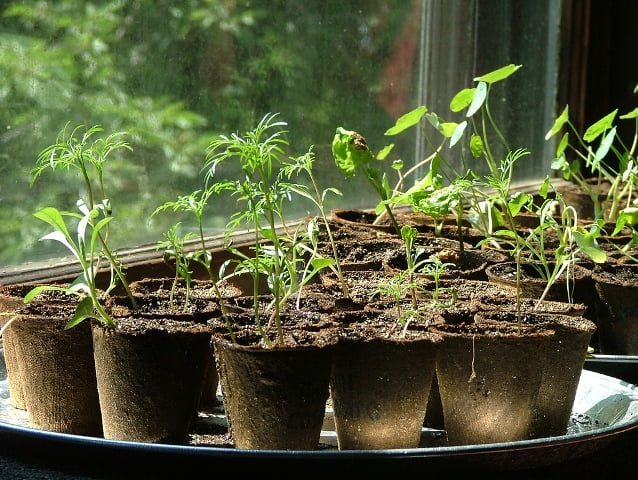
If you only have space on the windowsill, choose larger pots – the plants will love having them more space for roots. For example, for tomatoes it is really worth using larger ones so that the roots are formed stronger. Keep in mind that some plants (peppers, cucumbers) do not like to be transplanted, so it is better to grow them in peat pots. As the weather warms, you will plant these plants together with a well-moistened pot in direct soil, without moving the roots.
- Garden soil is used
Only heat and humidity are enough to germinate the seed, and the growing sprout already needs various nutrients. If you sowed in a substrate that also contains compost, biohumus, use the same substrate for pickling, the seedling will not have to adapt to the new composition of the soil. In the «Modern garden and vegetable garden» courses we examine and evaluate various types of substrates before planting, in order to understand which is the most suitable substrate. Garden soil can be used, but it is risky: at the same time you can bring diseases and pests to the delicate plant. If you don’t want to risk losing the seedlings, we advise you against using garden soil.
Read more my review on the greenhouse harvest –
The roots are damaged during planting
The most important part for the growth of the plant are the roots, which is why we treat them with care and try to preserve them. You won’t be able to stake out quickly and with wide decks – take your time and work carefully and calmly. Moisten the soil before harvesting to safely separate dense shoots. It is better to prune roots that are too long, but just avoid planting them twisted or, even worse, bent upwards. To make it convenient to make a narrow and deep hole in the pot, use a knife, spoon or special tools.
Re-watering after planting
It is necessary to dig in a moist substrate, and after finishing, pour a little water so that the roots find a place among the soil. If the plant is particularly delicate it is advisable not to water it, but to spray it with water. And that’s all you don’t need to water for at least a couple of days! Such a change is a kind of stress for the plant, so it is necessary to give the roots time to adapt until they begin to fully function and pump water with nutrients. Observe and water a second time only when you already see the need.
Watering with water that is too cold
When the seedlings are already warming up in the sun on the eastern or southern windowsill, you may need to water them daily. But don’t water with just any water. It is better that the water is not directly from the tap, but stagnant. Definitely not cooler than room temperature. Collection successful only if adequate humidity is subsequently maintained. It seems simple, but let’s not forget, it is very important for plants.
Conlusion
Transplanting seedlings may seem like a simple and routine task, but in reality, it is a delicate stage that can strongly influence the future growth and productivity of your plants. When seedlings outgrow their pots or nursery trays, timely and proper harvesting or transplanting becomes essential. Acting too late can lead to root crowding and stress, while acting carelessly can damage fragile stems and roots. Understanding this balance is the first step toward successful plant development.
Read more Which plants and how to cover the garden at the end of winter?
Preparation plays a crucial role in avoiding common mistakes. Ensuring that the soil is slightly moist before transplanting helps protect the root system and makes removal easier. Handling seedlings gently by their leaves rather than their stems minimizes the risk of breakage. Additionally, planting them at the correct depth and spacing encourages strong root establishment and better air circulation, which reduces the likelihood of disease.
It is also important not to rush the process. Giving seedlings time to adapt to new conditions through gradual hardening off can prevent shock and improve survival rates. Paying attention to light, temperature, and watering after transplanting ensures that the young plants recover quickly and continue growing steadily.
In the end, successful seedling harvesting and transplanting is not about reinventing the wheel but about applying simple, proven techniques with care and patience. By avoiding common errors and respecting the needs of young plants, you set the foundation for healthy growth and abundant harvests. Thoughtful handling at this stage makes all the difference between struggling plants and a thriving garden.
Read more
 Take care of the graves in autumn, so that they are beautiful even in spring
latest posts published

how to recognize the problem and how to save your lawn
Growing Peas for Beginners: Here’s What You Need to Know
3 ways to clean the gaps between pebbles – without chemicals!
Collecting sprouts: the most common mistakes
my review on the greenhouse harvest –
Which plants and how to cover the garden at the end of winter?
Take care of the graves in autumn, so that they are beautiful even in spring

what you will find in Lithuania if you decide to try it
English style: how to create one in Lithuania