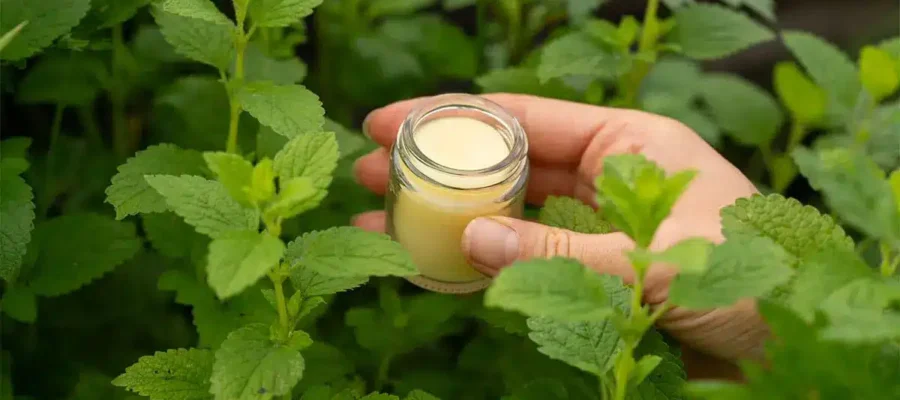
THE September it is the ideal time to harvest fresh lemon balm: not only does it give off a pleasant scent, but it is also rich in calming active ingredients. With a homemade lemon balm ointment you can give your skin natural care and relief from irritation, mosquito bites or mild inflammation. In this article, we’ll show you a simple recipe with which you can turn the power of lemon balm into a healing ointment, perfect for your medicine cabinet this fall.
Benefits of lemon balm for the skin
Lemon balm is rich in antioxidants and has antibacterial, antiviral and anti-inflammatory properties. Can help skin problems such as eczema, Herpes and treats minor wounds and offers gentle care for sensitive skin.
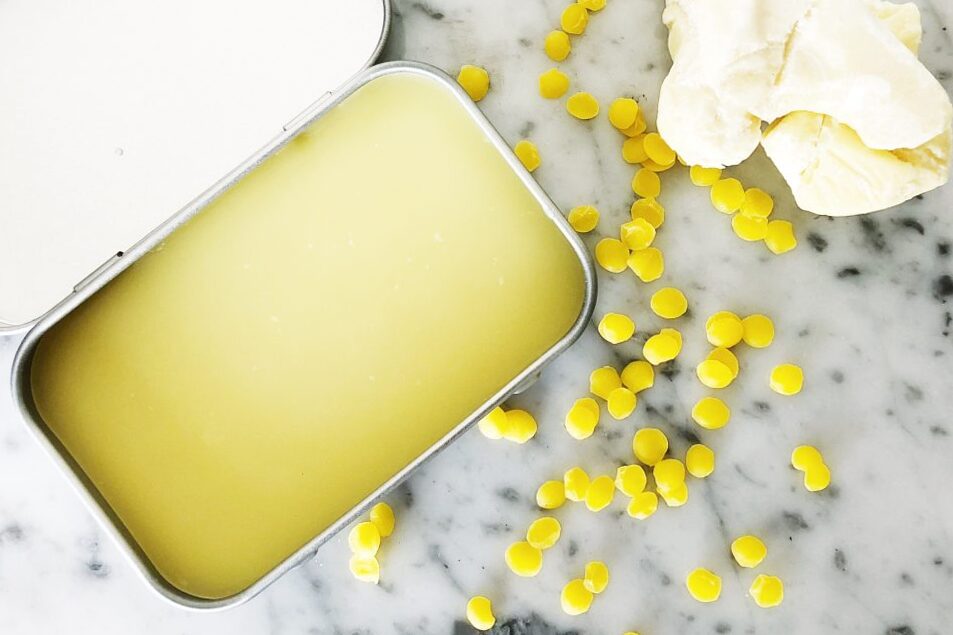
Ingredients for lemon balm ointment
- 100 g of fresh lemon balm (or 50 g of dried lemon balm)
- 240 ml olive oil (or another carrier oil such as almond or jojoba oil)
- 60 g of beeswax, for example here at beegut (for a vegan version you can use carnauba wax)
- 15g coconut oil (optional)
- 10-15 drops of lavender essential oil (optional, for added scent and calming properties)
- A clean glass jar for storage
Wonderful recipes in Wildkräuter magazine
In our current issue Kräuterkeller magazine (available here), in autumn it’s all about wild herbs and medicinal plants. In addition to wild herbs you will also find other ideas and recipes suitable for the season.
Read more Nettle ointment in November – create your own forgotten healing power
If you want to collect, work and learn about wild herbs all year round, we also recommend our book “With wild herbs and medicinal plants all year round“(available here). It accompanies you month after month with valuable knowledge about medicinal plants, practical applications and lovingly crafted plant portraits. Ideal for those who want to delve deeper into the world of herbs!
Step by step instructions
- Preparation of lemon balm: If you use fresh lemon balm, wash it carefully and let it dry completely. This step is not necessary with dried lemon balm.
- Prepare the oil extract:
- Place the lemon balm in a clean, dry glass container.
- Heat the olive oil in a double boiler until hot but not boiling.
- Pour the hot oil over the lemon balm until it is completely covered.
- Seal the container and let the mixture sit in a warm, dark place for 2-3 weeks. Shake the jar daily to make sure the ingredients mix well.
- Filter oil:
- Prepare an ointment:
- Place the lemon balm oil in a heatproof glass jar along with the beeswax (and optionally the coconut oil).
- Place the glass jar in a water bath and heat slowly until the beeswax has completely melted. Stir occasionally.
- Once the beeswax has melted, remove the glass jar from the double boiler and let the mixture cool slightly.
- Add the lavender essential oil and mix well.
- Filling and storage:
- Pour the still liquid ointment into clean, dry jars or glass jars.
- Allow the ointment to cool completely and solidify before replacing the lids.
- Label the jars with the date of manufacture and store the ointment in a cool, dark place. The ointment lasts up to a year.
Discover the exciting world of nettles
For even more exciting recipes and insights into the world of aromatic herbs, we recommend the book “The nettle queen of wild plants” (available here). It offers a complete journey to discover the different aspects of nettle and lemon balm, including delicious recipes and valuable advice for using these powerful plants. Dive in and discover why wild plants are so much more than just weeds!
Application of lemon balm ointment
Lemon balm ointment can be used in several ways:
- For skin irritations: Apply the ointment to irritated or itchy areas of the skin to provide relief.
- For dry skin: Use the ointment as a moisturizer for dry or flaky skin.
- For cold sores: The antiviral properties of lemon balm can help relieve herpes episodes.
Tips and tricks
- Alternative oils: Instead of olive oil, you can also use almond, jojoba or avocado oil, depending on your personal preferences and skin needs.
- Additional herbs: You can also add other calming herbs such as chamomile or ointment to the ointment Marigold Add to further enhance healing properties.
- Long-term storage: To extend the shelf life of the ointment, you can add a few drops of vitamin E oil, which acts as a natural preservative.
Because it’s worth it
Homemade lemon balm ointment is a wonderful way to take advantage of the healing properties of lemon balm and care for your skin naturally. It is easy to prepare and the resulting ointment is versatile. Have fun trying and taking care of your skin with homemade lemon balm ointment!
Read more Homemade cough syrup – with just three ingredients! Here’s how it’s done!
latest posts published

how to recognize the problem and how to save your lawn
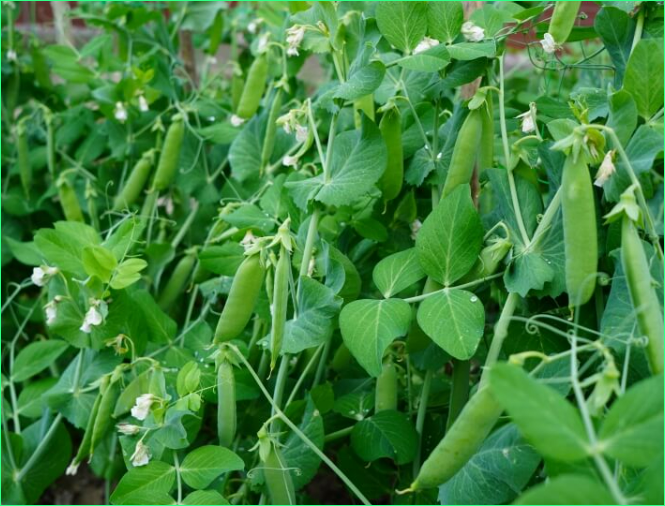
Growing Peas for Beginners: Here’s What You Need to Know
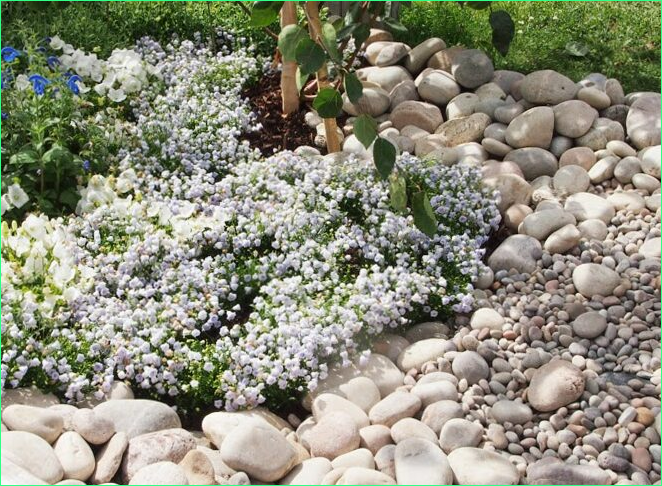
3 ways to clean the gaps between pebbles – without chemicals!
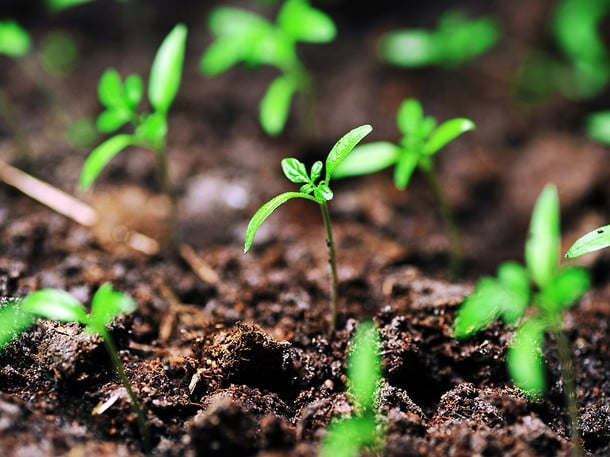
Collecting sprouts: the most common mistakes
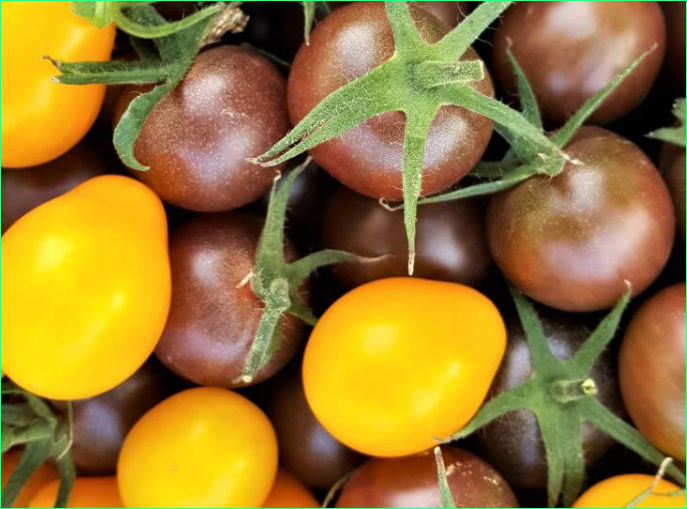
my review on the greenhouse harvest –

Which plants and how to cover the garden at the end of winter?

Take care of the graves in autumn, so that they are beautiful even in spring

what you will find in Lithuania if you decide to try it

English style: how to create one in Lithuania