Despite the ongoing moving plans, I am still enjoying my late summer activity: preparing canned items, particularly tomatoes. Although I was somewhat forgetful all summer and hardly gave them water (luckily, I had a lot of good mulch from farming!), my tomato plants are now full of fruit. It is time to prepare some canned tomatoes. This way, we won’t waste anything during the winter.
While looking through the blog for the time needed to sterilize canned tomatoes, I was surprised there was no article about «canned tomatoes.» Honestly, I sometimes feel a bit foolish sharing another tomato sauce recipe… but then I thought it would be good to create a summary article about the various preservation methods, since there are at least four different ways, each with its own benefits. So, let’s begin with canned tomatoes! Introduction: Which tomatoes work best for canning?
Aside: what variety of tomato should you keep?
In theory, you can store all tomatoes in jars, just as you can mix varieties in jars. However, I have some advice:
- Roma is particularly suitable for sauces and crushes because it is very meaty.
- Cherry tomatoes are great for candied or crushed tomatoes.
- Save the ancient varieties to enjoy them in salads, they are very tasty and disappear once cooked.
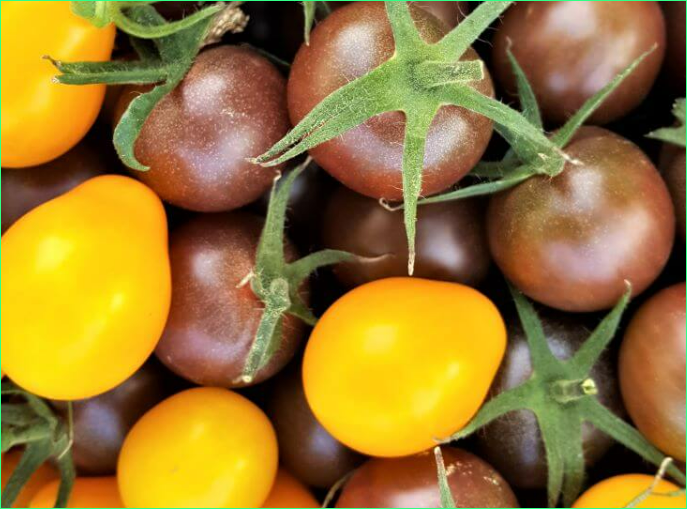
- Avoid yellow tomatoes, which are too weak in flavor
Personal practice: My “crushed” type preserves are often a mix of Roma/cherry crops. Because these are the two types of plants that give a lot to the garden
Read more Botanical Walk – Autumn Colors #2 (November 2023)
1 – jars of whole tomatoes

It is a «natural» tomato preserve where whole tomatoes are placed in jars.
Culinary interest: I haven’t seen any benefits with this method, can you tell me about it?
How to get it?
Read more Trekking in the Viaur valley (Tarn)
- Wash the tomatoes, remove the leaves
- Soak them in boiling water for 30 seconds to 1 minute, then peel them. (=world)
- Place them in previously boiled jars.
- Cover with a brine in proportion: 10 g of salt per 1 L of water
- Place a washer and close the jar
- Sterilize for 1 hour at 100°
- Store in a cool place away from light for a good year.
2 – Jars of “simple” tomato pulp.
This is not a common preservation method, but I have to admit that it is my favorite because it is relatively simple, quick and allows you to have «chunked» sauces.
Recommended tomatoes: rom, cherries,
Culinary interest: Used to form a sauce with tomato pieces. These simple jars are to be used as a base for tomato sauce. This fragrant sauce for the big day as you want.
How to get it?
Read more How to cook green beans?
- Wash the tomatoes, remove the leaves. For the roma, cut them into quarters and then into pieces 2-3 cm wide. For cherries, keep them whole.
- Place all the tomatoes in a large pot and cook over high heat for a few minutes until the tomatoes release their water.
- Reduce the heat to low and cook, stirring occasionally, until all the tomatoes are cooked and a good third of the water has evaporated from the sauce.
- Fill the previously boiled jars with this «sauce».
- Place the washer and close the jar
- Sterilize for 1 hour at 100°
3 – Jars of tomato sauce and coulis
This is the «classic» way of preserving tomatoes, in a smooth, ready-made sauce. I only make a few because in the end I prefer the crushed one.
Recommended tomatoes: Rome, round tomato
Culinary interest: ready sauce, without pieces
Chow to get it?
Read more How to cook artichokes? -Au fil du thyme
Ingredients
- 1 kg of tomatoes
- 1 onion
- 1 clove of garlic
- 1 sprig of thyme + 1 bay leaf
- Olive oil
- 1 teaspoon of sugar
Realization
- Wash the tomatoes, remove the stem and chop them coarsely. Peel and then chop the garlic and onion
- Heat a drizzle of olive oil then sauté the garlic and onion until the latter is translucent.
- Aadd the tomatoes, sugar, thyme and bay leaf. then cook over low heat for 15-20 minutes.
- Mix everything finely. If you find that the sauce is too thin, return it to cook over low heat until it reaches the desired consistency.
- Fill the previously scalded jars with the still hot sauce.
- Place the washer and close the jar
- Sterilize for 45 minutes at 100°
- Tips: vary the seasoning of these tomato preserves as you like (thyme, herbs de Provence, etc.). I don’t recommend basil, it seems to me that it loses a bit of flavor during sterilization/storage.
4 – In candied cherry tomatoes
This is one of my favorite summer recipes, unmatched for adding spice to dishes in any season.
Conclusion
As summer draws to a close, preparations take over our lives, but canned tomatoes offer a sense of tranquility and peace. Despite minimal watering and an easy, sustainable farming approach, the tomato plants have yielded abundant fruit. This bountiful harvest seems to beckon us to can—a way to bring the warmth and flavor of summer into the cooler months. Canning tomatoes is not just a practical task, but a seasonal tradition that blends effort, patience, and a sense of accomplishment.
The fact that there isn’t a single article dedicated to canned tomatoes highlights an important point: even the most familiar topics deserve new perspectives. While a single tomato sauce recipe might seem monotonous, a comprehensive overview of various canning methods offers far greater value. There’s more than one way to preserve tomatoes, and each method has its unique use in the kitchen. From whole, peeled tomatoes to tomato sauce and puree, to slow-roasted tomato paste, each method caters to specific culinary needs and taste preferences.
Understanding these differences changes making canned tomatoes from a regular task into a thoughtful, planned activity. Some techniques highlight ease and adaptability, allowing tomatoes to be preserved for future use in soups, stews, or sauces. Other methods concentrate on intensifying flavor, saving time on hectic winter evenings. The sterilization period, canning setup, and choice of tomato type all influence the final result. Stronger-fleshed types for sauces or juicier varieties for eating whole ensure better texture and taste even months later.
Beyond the practical details, canned tomatoes also hold sentimental value. Filling jars with homegrown tomatoes—especially after a weak harvest—shows a deep appreciation for nature’s ability to thrive and the perks of low-effort gardening methods, like thick mulch. It reminds us that often doing less can lead to more rewards.
In the end, canned tomatoes mean more than just stocking a cupboard. It’s about recording a season’s yield, preventing waste, and getting ready for the upcoming months. By trying out different preservation techniques and selecting the right types, anyone can maximize their harvest. This way, the tastes of summer can linger longer—sealed in jars, they can enhance the flavors of winter meals whenever needed.
latest posts published

how to recognize the problem and how to save your lawn
Growing Peas for Beginners: Here’s What You Need to Know
3 ways to clean the gaps between pebbles – without chemicals!

Collecting sprouts: the most common mistakes
my review on the greenhouse harvest –

Which plants and how to cover the garden at the end of winter?

Take care of the graves in autumn, so that they are beautiful even in spring

what you will find in Lithuania if you decide to try it

English style: how to create one in Lithuania