Tomato diseases are like soggy porridge: perfectly cooked porridge melts in your mouth, but if you don’t turn off the heat in time, the bottom is already soggy, and the top has leaked out. If you don’t notice the diseases in time, you may have to sacrifice your entire tomato crop for that year. Here are two important things I overlooked in the greenhouse, so now I have to deal with the consequences. Look what happened and what I did:
By continuing reading, you will learn why and what tomato diseases appeared in the greenhouse and what to do in this case.
Tomato diseases or lack of elements?
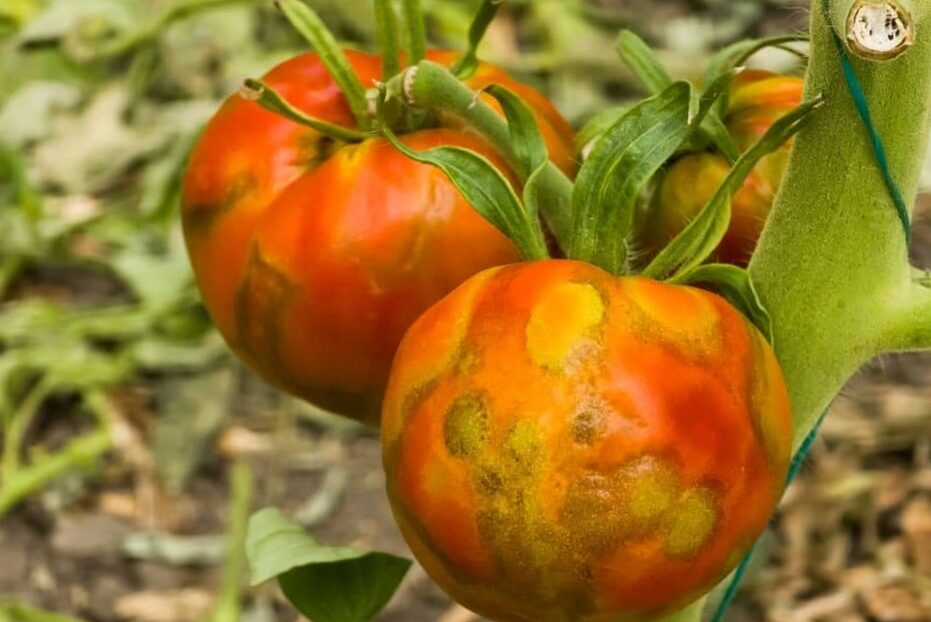
When you see that something has happened to your tomatoes, the first thing you need to do is find out what the problem is:
Read more 9 perennial flowers that bloom in summer: find ideas for a flower garden
- Physiological reasons – too hot, too humid, too cold, lack of micro or macro elements;
- Diseases, usually of fungal origin.
How to find out? There isn’t one method, and the reasons for tomato issues are many. I often recommend doing a Google search with the troubling symptom or simply entering «tomato disease». Look for both text and images, as you might find common examples.
You can gain insights on vegetable gardening from a professional – we invite you to the course «Modern garden». These are thorough online training sessions for those who wish to grow plants based on knowledge and experience rather than guesswork.
Usually, the issue is shown by the leaves, they communicate with us, just observe them. Curled tomato leaves, purple leaves, veined, brown, or spotted tips are just a few of the numerous signs.
I won’t cover them all now, but I will share some specific situations I have noticed in my greenhouse.
Read more Late asters and their combinations with other plants that flower in autumn
Tip of black tomato
If the tip of the tomato is blackened, it is a sign that the tomato is deficient in calcium.
How could this happen?
The source of calcium in tomatoes comes from the fish meal we place in the hole when planting (or those two pieces we add in hopes the cats won’t eat them early). Even if you skip the fish meal, the tomatoes should have as much calcium as what is in the soil.
Tomatoes do not receive calcium from complicated fertilizers since they do not contain calcium (it would disrupt the uptake of other nutrients).
Read more Monochrome flower garden: elegant or boring?
Not all tomatoes are equally affected by a lack of calcium. Most often, these signs show up on long-fruited tomatoes or heart-shaped ones.
So what has happened to football, why is it absent? When the temperature in the greenhouse gets too high, the tomato simply cannot take up calcium from the soil. Hence, proper air circulation in greenhouses is extremely important.
What should you do? The only solution is to fertilize with calcium, specifically calcium nitrate. Calcium nitrate must be mixed in water (the amounts recommended by various producers may differ). It can be used to water plants and to mist leaves. For quicker results, we mist the leaves and water the other plants.
If using a pump sprayer, make sure to dissolve the calcium nitrate first, confirm it is fully dissolved, then pour it into the sprayer to prevent any blockages.
Read more learn designer tricks for pots and plants
Select tomatoes with darkened ends and then apply calcium nitrate – do this when the greenhouse temperature is about 20 degrees.
Green tomato tops
If the tops of the tomatoes look unripe near the leaves, it means the tomatoes are deficient in potassium. Cut a tomato like this and you will find that the area is dry and mushy, you will probably just throw that part of the tomato away.
Nothing bad will happen due to lack of potassium, you will not lose the entire crop, but it is very easy to correct the situation and have quality tomatoes that ripen later.
It is necessary to fertilize only with complex fertilizers for tomatoes, since potassium is included in their composition, and other elements present together fully complement and nourish the tomatoes.
By the way, the lack of potassium is also not important for all varieties: some react more sensitively, and other tomatoes growing in the same greenhouse may not show such signs at all. Check out our review of greenhouse tomatoes, where you will also find potassium-deficient tomatoes, Click here.
Tomato leaves with spots
Through their leaves, tomatoes tell their problems. To determine the cause of the disorder, always examine both sides of the leaf, not just the top.
A clear example in our greenhouse: tomato leaves with bright spots visible on both sides of the leaf. We thought it was powdery mildew, but eventually convinced ourselves it was a brown stain. In any case, it is a disease of fungal origin: if we do not pay attention, all the tomatoes in the greenhouse will get sick and will soon die.
Why did this happen? The reason is quite simple: there was a favorable environment for fungal diseases: too much humidity, too little air, and there are a lot of leaves.
If the plants get sick at the end of the season, we can close our eyes and leave it to nature: maybe end the tomato season a little early and that’s it. But this time the disease hit at the beginning of the tomato season, so let’s take measures and save the crop.
What to do?
In no case should you start saving tomatoes by removing damaged leaves, as this will only foment fungal spores and the disease will spread throughout the greenhouse. So the order is as follows:
- Carefully choose tomatoes that are ripe or starting to ripen. After using fungicides, we must wait at least three days before we can harvest and eat again.
- I use TOPAS fungicide. We pour 5 ml into a 10 l sprayer. I used 10 liters of water for my 6 meter long greenhouse. When spraying, make sure that the liquid covers all the leaves of the plant, both above and below.
One day after spraying:
- We very carefully remove the damaged leaves with shears, immediately take them out of the greenhouse (I do not recommend placing them in the compost, so as not to infect it).
When removing leaves, do not forget the principles of tomato pruning ( read about them here). In cases where it was absolutely necessary to leave the leaves under the fruit, I did not remove the entire leaf, but only the most damaged part, and left the other part of the leaf for photosynthesis to the fruits ripening above.
Disease prevention
Is it possible to prevent tomato fungal diseases? Yes, you can try.
Brown spot first attacked my greenhouse tomatoes, so I hadn’t seen the need for prevention before. To do this, you can spray with water containing milk, iodine and boron. However, to tell the truth, we have not had such a problem for many years, and I hope that we will not have it for many more years, perhaps such a summer happened, very favorable for this disease. Therefore next year too we will not spray anything for preventive purposes. Of course we will follow the principles of pruning and ventilation in the hope of reducing the risk.
Naturally we fertilize on time, thus reducing the risk of element deficiency. As for potassium, we already know which varieties we grow are more sensitive, so we fertilize them further.
It would be better to completely abandon these varieties, which are sensitive to the deficiency of some elements, and keep only the more resistant varieties. However, sometimes taste surpasses common sense and, if you look carefully, you grow those disgusting, but very tasty tomatoes…
latest posts published

how to recognize the problem and how to save your lawn
Growing Peas for Beginners: Here’s What You Need to Know
3 ways to clean the gaps between pebbles – without chemicals!
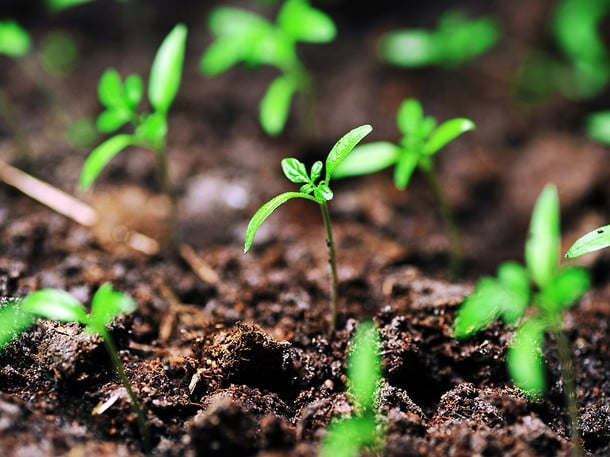
Collecting sprouts: the most common mistakes
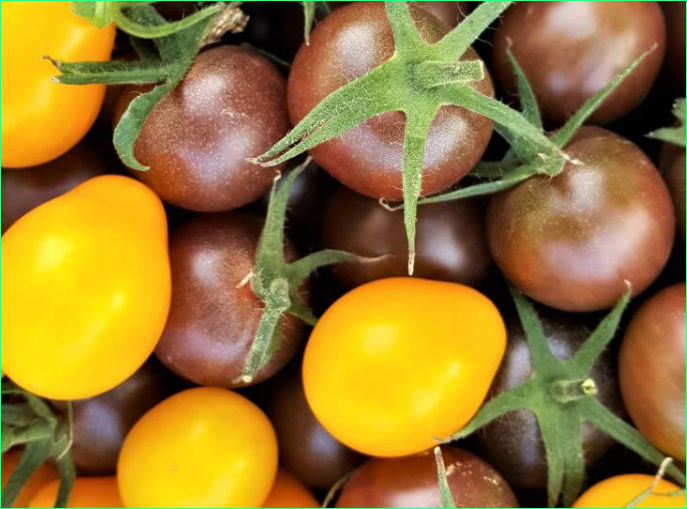
my review on the greenhouse harvest –
Which plants and how to cover the garden at the end of winter?

Take care of the graves in autumn, so that they are beautiful even in spring
what you will find in Lithuania if you decide to try it
English style: how to create one in Lithuania