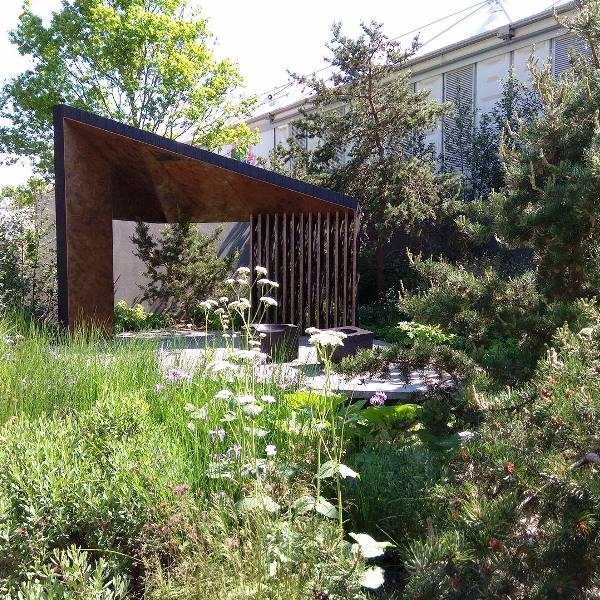
Summer is over, but the flower garden is still full of flowers. This late starswhich enrich the autumn environment with the most beautiful flowers and prevent the courtyard from becoming gloomy and boring. Asters are recommended by the most famous designers, asters are easy to grow by yourself.
COLOR COMBINATIONS WITH OTHER PLANTS
Late-blooming asters may seem simple at first glance, but a closer look shows their special appeal. Because they grow so well, people often only see their daisy-like blooms and bright color at the start. So, to build a colorful garden, make sure to check the flower colors in person before buying plants.
Pictures online or in printed guides may not truly show the real colors of the flowers. The range of asters’ colors is amazing: from pink and deep red to white with a yellow center.
Asters require plenty of space to grow, so it’s helpful to make sure they are not missed when you are planting them. However, don’t stick to just one type; consider planting several kinds of asters in various spots. This will create a pleasing overall look and connect the style of your garden.
Read more Monochrome flower garden: elegant or boring?
Don’t multiply dark rings colors: in autumn the foliage begins to turn brown, the ground becomes visible again, so the flowers should «fight» that darkness, not disappear.
Also, don’t go overboard with pretentious colors like inky blue, just use them as an accent.
LATE ASTER WITH OTHER PERENNIALS
The chamomile shape characteristic of late asters is a very important thing to consider when finding suitable combinations. Many flat daisy-shaped flowers require balance, contrast. What can contrast better than vertical inflorescences? Therefore, asters go very well with plants such as bitter (lot. Persicaria) ar broom with thorny flowers (lot. Calamagrostis acutiflorum).
Read more learn designer tricks for pots and plants
In naturalistic style vegetation, late asters are often combined with various decorative herbsfor example, melvens, brooms, miscants, soruolas, assutas. Although they are much taller, the openwork pattern contrasts very well with the asters, which look so full, earthy, stable and full of color next to them.
Asters with small flowers are also very suitable in naturalistic flowerbeds, for example Eric’s aster ‘Golden spray’. The charm with the small flowers really seems very different from the traditional asters that we know well.e.
In traditional flower gardens, housewives will appreciate larger flowers of bright colors, which will be a serious accent and can form very beautiful and bright spots of color.
The sisters of the asters, which do not contrast, but complement the flat flowers of the asters, are also suitable for a moderate, long-flowering flower garden. These are bright yellow rudbeckiamulticolored chrysanthemumsmoreover, there is a wonderful company wolf cubs (formerly called Shylocks).
Read more That’s not where you look when choosing a Christmas tree
ASTER – FLOWERS OF ACTIVE PEOPLE
Asters could be a typical garden plant of a Lithuanian citizen. First of all because it is not very demanding. Asters grow best in one place for 4-5 years, then they can be renewed and diluted. It grows well in sunny locations, but some varieties tolerate partial shade. The main thing is that the soil is not waterlogged, so that it can be easily drained.
Asters can be sown themselves: the seedlings will bloom already in the second year.
It is even easier to divide the spell so that each part has at least 2-3 stems. It is important to water abundantly only after transplanting.
Read more How do you know if you will survive the winter?
As the years pass, the flowers of the asters become smaller, a sign that the time has come to divide the plant or transplant it.
Asters also need to be loved because they last a long time once picked and soaked. A bouquet stays beautiful for at least 10 days, which is a great way to have flowers to pick right from your garden.
A simple but stunning way to brighten up your garden with flowers in autumn is late asters. We recommend it to all active people who cannot spend a lot of time in the flower garden, but want a beautiful view in their yard in autumn.
Conclusion
Even as summer draws to a close, a garden doesn’t have to lose its vibrancy. Late-blooming asters prove that autumn can be just as colorful and captivating. While many other flowers fade, these resilient plants become the focal point of the garden, embellishing the landscape with vibrant colors and preventing it from appearing dull. They can extend their flowering period, adding visual interest even in the cooler months.
At first glance, asters resemble daisies and have relatively common colors, seemingly unremarkable. However, closer inspection reveals their astonishing diversity and subtle beauty. From soft pinks and rich burgundys to bright white petals and vibrant yellow centers, the rich array of colors offers endless creative possibilities for garden design. Since photos and catalog images don’t always accurately reflect the actual colors of the plants, it’s crucial to see the flowers in person before purchasing to achieve the desired visual effect.
Careful placement is equally important. Asters thrive in ample growing space. Overcrowding will negatively impact their health and visual appeal. Instead of planting a single variety, it’s better to plant different varieties in different areas of the garden to create a harmonious and balanced overall effect. Repeating or combining the same color in different locations can make the entire garden visually more unified, creating a harmonious and thoughtful design.
Planting asters with other plants also enhances their ornamental value. Their richly textured flowers create a beautiful contrast with ornamental grasses, evergreens, or late-flowering perennials. By carefully selecting color combinations and plant textures, gardeners can create a layered, dynamic, and harmonious landscape.
Asters are more than just simple autumn plants; they are powerful design elements that keep the garden vibrant after summer. They are easy to care for, versatile, reliable, and elegant. With proper planning and clever layout, asters can transform an ordinary autumn garden into a vibrant and harmonious landscape, celebrating the beauty of autumn rather than announcing its decline.
latest posts published

how to recognize the problem and how to save your lawn
Growing Peas for Beginners: Here’s What You Need to Know
3 ways to clean the gaps between pebbles – without chemicals!
Collecting sprouts: the most common mistakes
my review on the greenhouse harvest –
Which plants and how to cover the garden at the end of winter?

Take care of the graves in autumn, so that they are beautiful even in spring

what you will find in Lithuania if you decide to try it
English style: how to create one in Lithuania