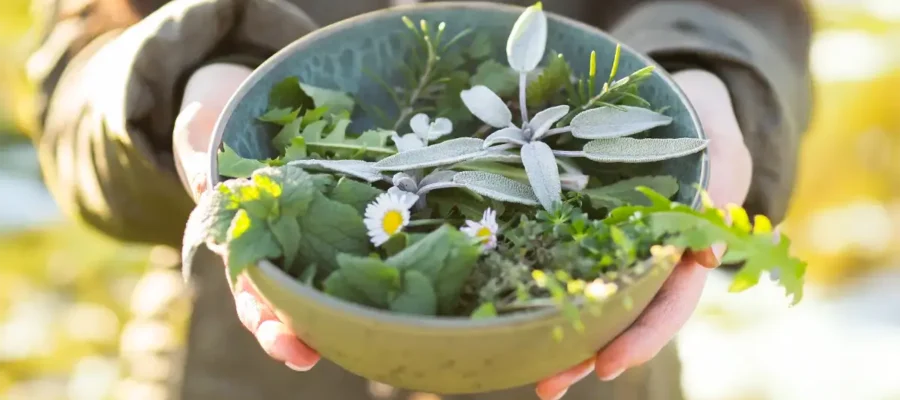
Even in freezing January, nature offers an extraordinary variety of edible wild plants that can enrich our diet with valuable nutrients. In this article we present selected local wild herbs that can be found in January and give tips for identifying and using them safely.
Garlic mustard in January
Die Garlic mustard it is a rustic plant with heart-shaped leaves and a characteristic garlic smell. It is rich in vitamin C and minerals. Your leaves can come from November encore May collected and used in various dishes.
Culinary use:
- Pesto with garlic mustard: Combine mustard leaves with fresh garlic, pine nuts, walnuts, olive oil, salt and pepper Pesto process. Ideal as a pasta sauce or spread.
- Salad with garlic mustard: The leaves can be used raw in salads or served steamed as a side dish. The delicate flavor of garlic gives dishes a special touch.
Meadow straw (Galium mollugo)

 Horehound: a forgotten but precious medicinal plant
THE Straw from the meadow it is a perennial plant with creeping stems and small white flowers. It is rich in vitamin C and flavonoids. The upper parts of the plant can be harvested all year round.
Culinary use:
- Meadow straw tea: The fresh tops of the plant can be brewed as tea. This tea is traditionally appreciated for its diuretic and purifying effects.
- Spring vegetables with meadow straw: Young shoots are suitable as an ingredient for spring vegetable dishes. Their slightly bitter flavor gives dishes an interesting note.
Recognize and collect wild herbs
If you are interested in collecting wild herbs and plants and want to learn about them in more detail or are looking for an introduction to the topic, then we recommend our book «With wild herbs and medicinal plants all year round“(available here). With this book you can prepare yourself optimally for the upcoming wild herb season, but you will also discover how different the wild herbs at hand can be used. We have photographed and portrayed many local wild herbs in over 160 pages. In every season there is something to discover and collect. Helpful tips for the medicine cabinet and kitchen are included. You can purchase the book in our witch herbal shop
The Pimpinelle in January
Die Pimpinellaalso called small meadow button, it is an aromatic plant with pinnate leaves. Contains essential oils, tannins and vitamin C. The leaves can be harvested almost all year round.
Read more Make your own sugar-free elderflower syrup
Culinary use:
- Pimpinelle in salad: Fresh leaves are ideal as an addition to salads. Their slightly spicy taste is reminiscent of cucumbers and adds freshness to salads.
- Soups and sauces with Pimpinelle: The leaves can be added to soups and sauces as an aromatic seasoning. Their healing properties are appreciated in folk medicine.
Grow your own vegetables on your windowsill all year round
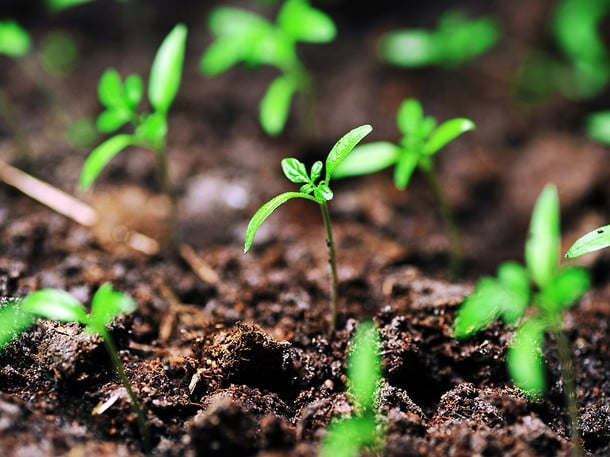
Don’t have the opportunity to collect wild herbs? Then you don’t have to give up high-quality, vitamin-rich plants that you can harvest fresh. With microgreens and growing trays Love sprouts (available here) you can harvest your small vegetables all year round directly from the windowsill, even without a garden. The little nutritional miracles are not only healthy and versatile, but also very easy to grow. This means that you can integrate fresh vegetables into your diet at any time and at the same time contribute to a sustainable lifestyle. You can harvest your mini greens in just 5-7 days. Start your own small indoor garden now and enjoy nutrient-rich vegetables right from your windowsill all year round! And the best thing: you can currently use Rbattcode «health2025“ Save 10% on all microgreens products. The discount is applicable to everything in this category (click here and save).
Die Vogelmierewith its delicate green leaves, it is a real source of vitamin C in January. The leaves can be harvested almost all year round and are ideal for fresh salads or as an additional ingredient in soups. Chickweed simply doesn’t like particularly hot, dry weather. In mild winters or early spring, however, it feels very comfortable and thrives, so you can harvest plenty.
Culinary use:
Read more Easter cake with wild herbs? This Rübli recipe with Gundermann is healthy and delicious
- Vogelmière salad: Combine fresh chickweed with other wild plants and serve with a light vinaigrette. You can also put the chickweed directly on the bread and enjoy it.
- Soups and stews: Chickweed leaves add a pleasant freshness and delicate flavor to soups and stews.
Daisy (Bellis perennis)
The delicate ones margherita pizzaoften considered harbingers of spring, they can appear unexpectedly in January. The edible flowers and leaves can be used to enrich salads with taste and appearance.
Culinary use:
- Daisy salad: The flowers and leaves of daisies add an interesting texture and delicate, slightly spicy flavor to salads.
- Cake decoration: The petals can also be used as a decorative element for desserts.
Never miss harvest time again
you will receive ours Seasonal calendar of wild herbs (available here), which each month shows you the most important periods for harvesting wild herbs. In the future you will be able to see exactly when you can harvest which wild herbs and medicinal plants and you will never forget the harvest moment again. The calendar is designed so that it can be used again every year.
Plantain plantain in January: helps against coughs
THE Plantain plantainwith its lanceolate leaves, it is not only prized in natural medicine, but also has a wide range of culinary uses. The leaves are available all year round and can also be used as a home remedy for coughs. In the post»Make plantain cough syrup yourself plantain: home remedies for cough“You can find the recipe.
Read more What is Samhain? The forgotten party worth taking a closer look at
Culinary use:
- Plantain and plantain pesto: Process fresh plantain leaves with walnuts, parmesan, olive oil, garlic, salt and pepper to make a pesto.
- Spicy side dish: The leaves can be served steamed or briefly fried as a spicy side dish to main courses.
Yarrow millefolium (Achillea millefolium)
Die yarrowwith its delicate leaves and white flower heads, it is rich in essential oils and is particularly suitable for the preparation of herbal teas. The young, tender leaves can be harvested almost all year round.
Culinary use:
- Yarrow tea: You can brew fresh yarrow leaves as tea. This tea is traditionally prized for its calming and antispasmodic effects.
- Seasoning for meat dishes: Dried yarrow leaves can be used as a seasoning for meat dishes.
Inspiration in our Wildkräuter magazine – also available by subscription
You can find many culinary and naturopathic recipes, plant portraits and inspiration on the world of wild herbs and medicinal plants in our Magazine of the Cantina delle Erbe (available here). In addition to last year’s print editions, you receive all the magazines coming out in 2025.
latest posts published

how to recognize the problem and how to save your lawn
Growing Peas for Beginners: Here’s What You Need to Know
3 ways to clean the gaps between pebbles – without chemicals!
Collecting sprouts: the most common mistakes
my review on the greenhouse harvest –

Which plants and how to cover the garden at the end of winter?

Take care of the graves in autumn, so that they are beautiful even in spring

what you will find in Lithuania if you decide to try it

English style: how to create one in Lithuania