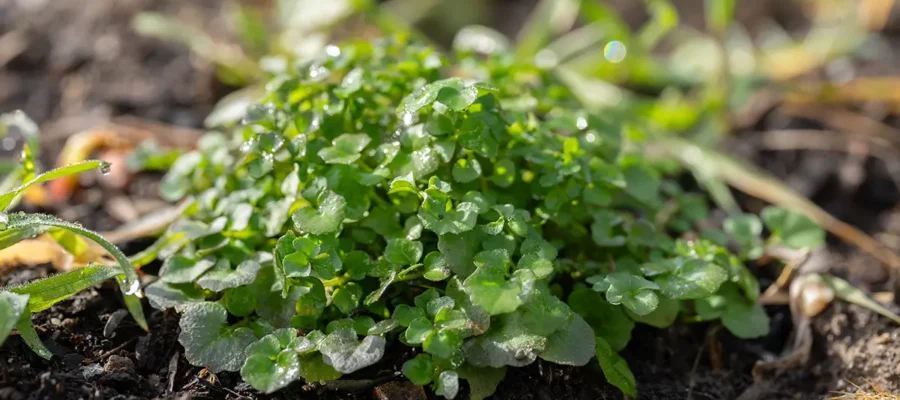
Hairy foam grass, scientifically known as Cardamine hirsuta, tends to make its presence felt abundantly during the month of April. However, this remarkable native wild plant is often underestimated, frequently overlooked, and commonly mislabeled as a mere weed.
Despite its unassuming appearance, it carries an impressive nutritional profile and a surprising hidden potential that thrives particularly well in uncultivated or less-tended garden beds during this time of year. Known for its naturally vigorous growth, hairy foam grass proves to be an excellent addition to fresh salads and offers a unique way to incorporate nature’s bounty into everyday meals.
Its resilience and robust qualities make it not only a practical plant for edible gardening but also an exceptional find for those with a keen interest in exploring the wonders of wild edibles. In this article, we delve deeper into the numerous benefits of hairy foam grass, uncovering its value beyond its surface reputation. From its ability to enrich gardens with effortless vibrancy to its role as a fascinating discovery for nature enthusiasts and culinary adventurers alike, this humble plant has much more to offer than meets the eye.
Read more New energy from your kitchen | Microgreens in autumn: small plants, big nutrients
How do you recognize hairy foam?
The hairy one Foamweedbelonging to the cruciferous family (Brassicaceae), it is characterized by its delicate white flowers which appear at the end of winter, usually starting in March. The plant initially grows in the shape of a rosette close to the ground, but in ideal conditions it can reach a considerable height. What makes it special are its hairy stems and leaves, from which it gets its name. This basal rosette consists of a cluster of leaves that grow directly at the base of the plant and spread out in a circular arrangement. Leaves in the rosette are typically larger and often pinnate, with several small, rounded to oval leaflets per leaf.
This rosette-shaped growth habit is characteristic of many plants in the cruciferous family (Brassicaceae) and serves several purposes, including the efficient use of light on the soil in the early growth stage and the storage of nutrients for rapid growth early in the growing season. After the plant reaches a certain maturity and begins to form one or more erect stems to produce flowers and subsequently seeds, the rosette is left on the ground as the base of the plant.
The world of wild herbs in the spring magazine
In the new one you can also find wild spring plants in printed form Spring edition our Wild Herbs Magazine (available here). The spring edition always sells out quite quickly, so you can quickly check out our witch’s herb shop should log in. If you missed the previous magazines, you can also find our complete set of magazines still available. If you prefer to read on a tablet, our magazines are also available in digital format. With a purchase you directly support our projects like this blog. Thank you!
Ecological meaning
Despite its inconspicuous appearance, the hairy foam plays an important role in the ecosystem. It serves as a food source for numerous insects and butterflies and therefore contributes to biodiversity. Its early flowering provides an important food source for pollinators such as bees and bumblebees at a time when other flowers are still scarce. It is above all bees, bumblebees and hoverflies that are attracted to the flowers of the hairy foam grass to collect nectar and pollen. These insects do not specialize exclusively in the hairy plant, but play an important role in pollination. That’s why you should be happy when you find the plant in the garden. It serves us humans in our diet and is important for insects. Furthermore, the plant grows on its own. You don’t even have to lose it. It grows on areas that have been broken up, allowing the open areas to regrow. That is why in autumn it prefers to settle in flowerbeds that have been cleared, plowed or milled.
Read more Edible wild herbs in January: that you can harvest and use now
The hairy foam foams in the kitchen
The hairy herb is not only important from an ecological point of view, but has also found its place in the kitchen. The young leaves and flowers can be used raw in salads and offer a fresh, slightly spicy taste, reminiscent of watercress. Additionally, it contains various vitamins and minerals, making it a healthy addition to any meal. Mainly vitamin C, vitamin K, folic acid (vitamin B9), potassium, calcium, magnesium, iron, fibre, glucosinolates and flavonoids. In the months we have hairy foam February and March always proportionally in the wild herb salad. This is truly delicious.
With wild herbs and medicinal plants all year round
If you are interested in collecting wild herbs, we can recommend our book. “With wild herbs and medicinal plants all year round“(available here) provides an overview of many regional facilities. For each plant there is a large picture, an explanation and how it can be used in the medicine cabinet and witch’s kitchen. We designed the book ourselves and it is available in our Herbal Witch online store available. There you will also find ours, among other things Seasonal calendar of wild herbs (available here) and our discovery book for children “Ben and Mara
Hairy foam algae in the medicine cabinet
As a tea for cold symptoms: The leaves rich in vitamin C can be prepared as a tea to strengthen the immune system and relieve cold symptoms.
As a fresh herb for healing wounds: Crushed fresh leaves can be applied to small cuts or abrasions to promote healing and reduce inflammation. This application is based on the traditional use of many cruciferous plants, known for their antiseptic and healing properties.
Read more Horehound: a forgotten but precious medicinal plant
As skin care: Due to its anti-inflammatory properties, an infusion or extract of the herb can be used to soothe skin irritations, such as rashes or mild eczema.
How to plant wild herbs in the garden?
You can grow wild herbs in your garden that are not often found in nature. In our shop at you will find many sets of themed seeds (available here). Growing wild herbs and medicinal plants yourself is the best way to learn about plants in detail during the growing process.
latest posts published

how to recognize the problem and how to save your lawn
Growing Peas for Beginners: Here’s What You Need to Know
3 ways to clean the gaps between pebbles – without chemicals!
Collecting sprouts: the most common mistakes
my review on the greenhouse harvest –
Which plants and how to cover the garden at the end of winter?

Take care of the graves in autumn, so that they are beautiful even in spring

what you will find in Lithuania if you decide to try it
English style: how to create one in Lithuania