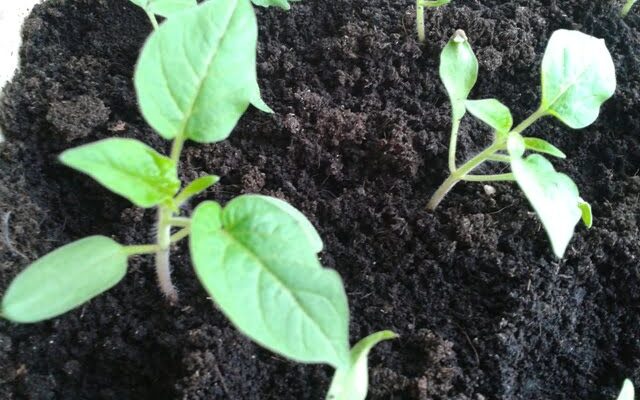
It seems that it is quite easy to grow seedlings at home on the windowsill: you put earth, seeds, watered it – it grew. But not everything is so simple, healthy and quality seedlings do not always sprout. We asked a specialist what are the most common causes of failureso you can avoid them or respond appropriately. They were listed Ingė Auželienespecialist in horticulture and teacher of the «Modern Garden and Vegetable Garden» course.
1. UNGERMINATED SEEDS.
Let’s begin with what we plant. If the seeds have not started growing or very few have sprouted, find the bag and see if the seeds are past their expiration date. Seeds usually stay good for at least a few years after the expiration date, but every year the chance of them sprouting gets lower. Moreover, how seeds are kept is very important. If they have absorbed some moisture, you risk not having a successful harvest. So, it is better to buy seed packets that have an extra sealed bag inside. This way the seeds will be safe from outside factors: moisture, temperature changes. And do not worry about the cold: it is even good to keep some seeds in the fridge. They seem to survive the winter, and when moved to warmth, they wake up happier in spring.
If you have saved your seeds and are not sure how well they are stored, if the seeds are close to their shelf life ending, the sprouting rate may be lower, so plant them thicker.
2. THE CONTAINER DOES NOT HAVE HOLES FOR WATER DRAINAGE
The container you sow in may be to blame for the failure. The most important thing is that the container has a hole to drain excess water. Purchased pots or planters have holes in the bottom through which water drains into the saucer or plastic base of the planter. That’s all you need. When watering, excess water drains away, the shoots do not get wet and do not begin to rot. This is the main requirement, and by the way, you can sow seedlings anywhere, even if you make pots out of everyday materials around you: newspapers, milk packets, yogurt containers, even eggshells (here are some ways to make them). If using a plastic container or other waterproof container as a planter, cut or poke holes in the bottom with a sharp knife to allow water to drain freely.
Read more The effects of frost on plants: why they actually freeze
3. THE POT IS TOO SMALL
Another important thing is that the container must be the right size. Usually sprouted seedlings can be transplanted into larger ones, and this can be done several times, so there are no problems with the size of the pot. However, some plants do not like to be transplanted, so it is for them that it is necessary to prepare a larger container immediately. Such vegetables are cucumbers, zucchini, pumpkins, courgettes and other relatives. Move them as little as possible and transplant them at most once, i.e. when they move from the windowsill to the greenhouse or outdoor soil. Every transplant is a test for them, so there is nothing to be surprised if some seedlings do not survive.
4. NON-STERILE EARTH
We would tell you to germinate the seeds in your garden soil, but we won’t. Unfortunately we recommend purchasing land. Regular garden soil or your compost can contain fungal infestations and other diseases. Already grown seedlings are more resistant and for the first delicate seedling these infections can be fatal. Most often it is a blackleg or a weevil: the seedling sprouts, the first true leaves appear, and then it turns out. This happens because the root collar thins, becomes girdled and rots. An infected seedling may appear visually quite beautiful, but if the root system is damaged, the plant grows with difficulty and has a poorer harvest. Therefore, the specialist recommends using a purchased substrate intended for seedlings. Peat tablets or coconut fiber are also suitable, which only need to be swollen and sown. Quality mixes and peat-based substrates are sterile and the risk of infection with pathogenic diseases is minimal.

5. THERE IS NOT ENOUGH HEAT IMMEDIATELY AFTER SOWING
Diseases are partly related to temperature. The sprout requires relatively warm climatic conditions for germination, the optimal temperature is around 24 degrees. In addition, humidity is needed. Therefore, it is worth immediately covering the sown seeds with film or glass to create greenhouse conditions. It’s good for seeds: seedlings grow slowly, they do not have time to reach the required size. For seeds it is cool and moist: a good environment for fungal diseases appears and the seeds can rot completely. Do not forget to uncover, ventilate every day and, only when it starts to sprout, do not cover at all.
Read more What is a soundscape and how to apply it to your garden
6. IMPROPER RATIO BETWEEN HEAT AND LIGHT AFTER GERMINATION
A relatively high temperature is required for seed germination and a cooler temperature for germination. I. Auželienė says: «If the seed germinated, but a normal, healthy shoot did not grow, the problem is most likely the wrong ratio of the three most important elements, namely heat, moisture and light.» Heat is not so necessary for the seedling, but sunlight is the essential thing, which is greatly needed, and which is so often lacking in March or April. If the shoots get longer, the color fades, this is already a sign of too much heat and too little sun. If you have special lamps, great, your harvest is saved. If not, move away from heat sources (radiator, underfloor heating) but closer to the southern sun. The effect of a sunny day will be noticeable: the shoots will strengthen, more green color will appear.
7. OVER-WATERING OR OVER-DRYING
The most important thing is to constantly maintain humidity: seedlings are sensitive to both excessive watering and drying. Only after sowing is it better not to water, but sprayso that the seeds are moistened with a light jet and not immersed in water. The shoots can already be watered with a watering can, but if you continue spraying, the seedlings will really like it. Important: water water at room temperaturepreferably standing. If you water with cold water, just one time may be enough to kill the seedlings. Don’t overwater, it’s just as dangerous as overdrying.
On the surface of the soil mold appeared? This is usually a sign that you are overwatering. Remove the soil if you can do so carefully without hooking the plant. Loosen the soil slightly to allow air in and create unfavorable conditions for fungal diseases.
8. NOT SOWN AT THE MOMENT
And the last thing the course teacher mentioned was the wrong planting time. Of course, every year it is difficult to predict when winter will leave the yard. However, do not rush to sow so that the seedlings are ready to enter the ground in time.
Read more The tastiest tomato varieties of 2019: my greenhouse harvest
As soon as the first true leaves appear it is a sign that the shoots can be harvested. Is it still cold outside at that time? If this is not done in time, the seedlings grow too much, stretch out and their roots become intertwined. Overgrown seedlings are weaker, the roots are often damaged during separation, so they need a considerable period of time to adapt to a new place and start sprouting upwards again. Paradox: Due to the long adaptation period, we ultimately get a later harvest, even if we planted too early.
On the other hand, it doesn’t even make sense to be very late – after all, that’s why we sow, so that we can get flowers earlier, so that we can grow a crop of plants from warmer regions. Good seeds, the right time and a good relationship between heat, sun and humidity are the main conditions for growing healthy and strong seedlings.
Read more
 A beautiful plot in winter: practical advice on how to make it.
latest posts published

how to recognize the problem and how to save your lawn
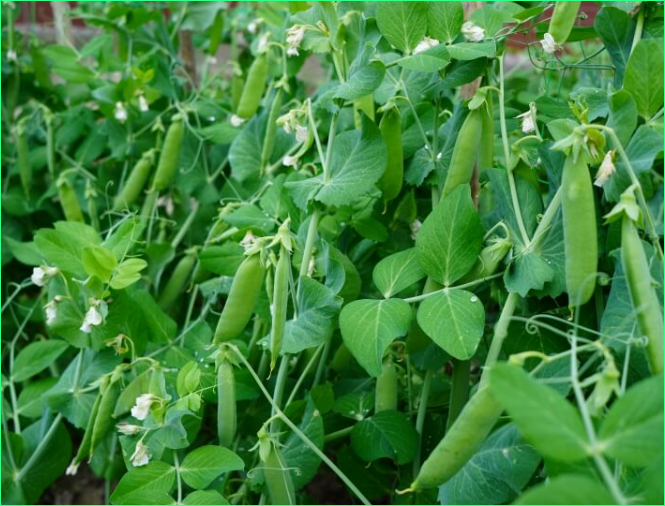
Growing Peas for Beginners: Here’s What You Need to Know
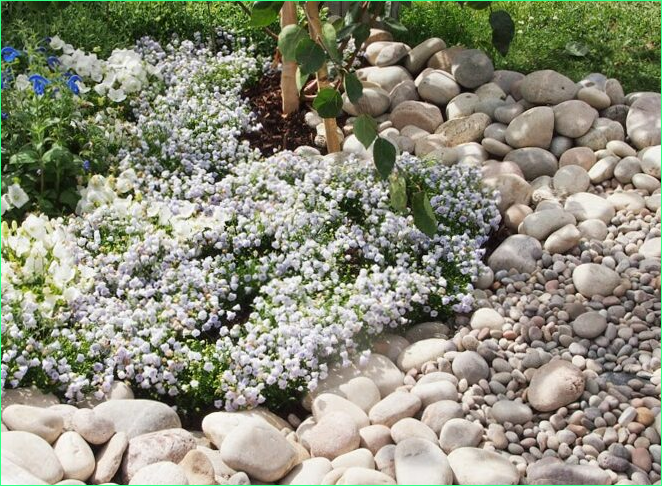
3 ways to clean the gaps between pebbles – without chemicals!
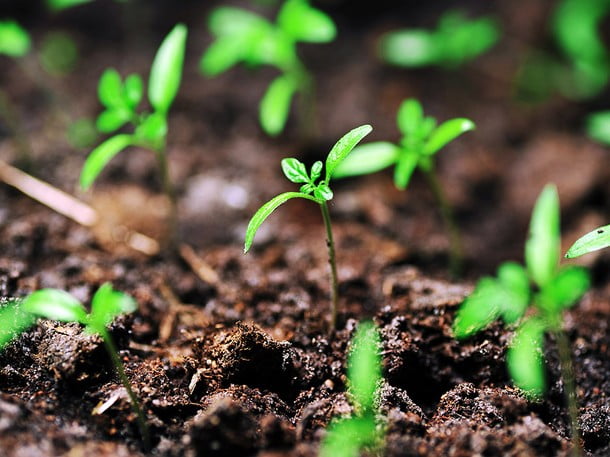
Collecting sprouts: the most common mistakes
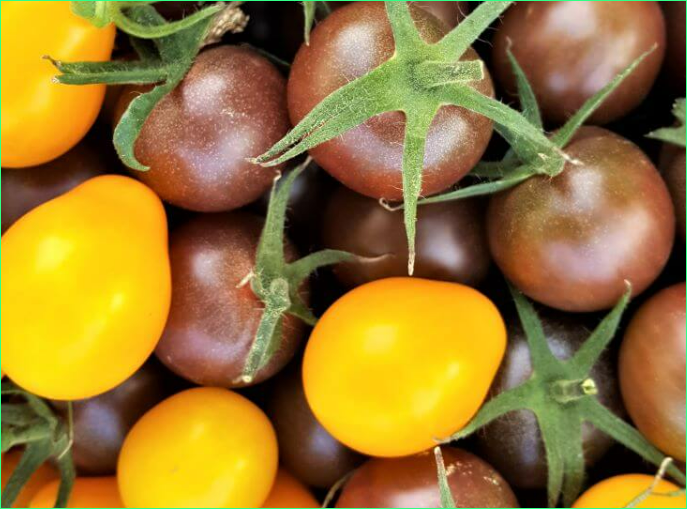
my review on the greenhouse harvest –
Which plants and how to cover the garden at the end of winter?

Take care of the graves in autumn, so that they are beautiful even in spring

what you will find in Lithuania if you decide to try it
English style: how to create one in Lithuania