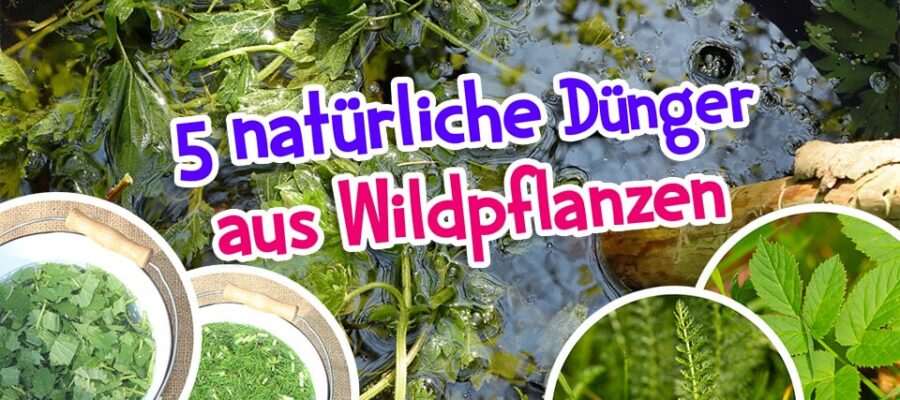
Some waste is generated in the kitchen, which is ideal as fertilizer for the garden. Fertilizer can also be wonderfully produced from wild plants. In this article we will show you how it works and which plants are particularly suitable for fertilizing with it.
Fertilizer from kitchen waste
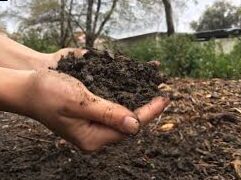
If you encounter waste in your kitchen, composting is an excellent method to recycle fruit and vegetable scraps into nutrient-rich soil for your garden once they decompose. Additionally, you can create natural fertilizer using materials like coffee grounds, tea leaves, or eggshells. For more details, the post *Coffee Grounds: The Ultimate Fertilizer for Your Plants* provides a thorough guide to the types of plants that benefit from coffee and tea grounds. Similarly, the article *5 Great Ways to Use Eggshells* explains how eggshells can be utilized effectively. Banana peels also serve as a great fertilizer option to enrich your garden.
Why is fertilizer from wild plants so interesting?
Wild plants are particularly rich in nutrients, usually much richer in nutrients than cultivated vegetables. This is because they are not fertilized and are left to their own devices. Wild plants usually develop long roots and can absorb and store more nutrients from the soil. So it makes sense to produce fertilizer from these plants. If wild plants become invasive in the garden, you can keep them under control this way and still turn them into a valuable fertilizer for the garden, which is also free and completely natural. The best way to maintain a nutrient cycle in your garden.
Read more The expert explains: These plants tell you what the weather will be like
These 5 wild plants are suitable for things
Nettle
Nettles they are one of the most famous and useful wild plants. They are rich in nitrogen and other important nutrients and can be used as an excellent fertilizer for vegetables, herbs and flowers.
Nettle manure is particularly suitable for:
Nettle manure contains a variety of nutrients such as nitrogen, potassium, phosphorus and magnesium, which are important for plant growth and health. Additionally, nettle manure can also help keep pests and diseases away and promote soil life. You can find out how to make them in our article”Free vegetable fertilizer based on wild herbs – nettle-based manure„.
Our book on nettles
With the title «Nettle – queen of wild plants“(available here), we have dedicated a separate book to nettle. There you will find everything you need to know about this amazing plant, including tips on how to use it, such as nettle manure, nettle ointment and also many culinary recipes. We documented the implant using unique photographic technology. The result is images you’ve probably never seen before. You can purchase the book in our witch herbal shop
Read more You can collect summer linden flowers only in July
Good
Good it is another wild plant rich in nitrogen and potassium. It is particularly suitable as a fertilizer for tomatoes and other vegetable plants. Comfrey manure is an option for any plants that have high nutrient needs. They tolerate the following plants well:
- Tomatoes
- Cucumbers
- Zuchinis
- pumpkin
- potatoes
- Types of cabbage (e.g. broccoli, cauliflower, kohlrabi)
- Savory
- Spinach
- Rhubarb
- Strawberries
- Raspberries
- Fruit trees (e.g. apple trees, pears, Cherry trees)
Inspiration in our wild herbs magazine
Before we continue with the article, here’s a note on our behalf: In the current spring issue of Kräuterkeller magazine (available here), in spring it’s all about wild herbs. In addition to wild herbs you will also find other ideas and recipes suitable for the season. Even our previous editions are still available in small quantities. You can purchase the magazine in our herbalist’s shop in both printed and digital versions
yarrow
yarrow it is a versatile wild plant that can be used as both a fertilizer and a pesticide. It contains many important nutrients such as nitrogen, phosphorus and potassium and can be used as a fertilizer for almost all types of plants. These plants can benefit the most from yarrow manure:
- Tomatoes
- Paprika
- eggplant
- pumpkin
- Cucumbers
- Zuchinis
- Savory
- Spinach
- Types of cabbage (e.g. broccoli, cauliflower, cabbage)
- Beet
- Rhubarb
- Strawberrie
Field horsetail
Horsetail manure is often used as a natural fertilizer for plants because it is rich in silica and minerals. It can help promote plant growth and make them more resistant to diseases and pests. Keep in mind, however, that due to the high silica content, horsetail manure is not suitable for all plants and excessive dosing can cause burns. They tolerate better:
Read more These simple wild herb waffles with Gundermann are sure to delight your kids in May!
- Tomatoes
- Cucumbers
- Zuchinis
- Paprika
- Strawberries
- Raspberries
- Rosen
- Hydrangeas
- Orchids
These plants benefit from the additional silica because it makes them more resistant to diseases and pests and their cellular structure is strengthened.
Greedy
Manure out Greedy it is a simple and economical way to obtain an effective fertilizer for the garden or for houseplants. Greedweed (Aegopodium podagraria) is a common wild plant rich in nitrogen and other important nutrients.
nn
Set of seeds for wild herbs and medicinal plants to sow in autumn
We would like to help you bring plants into your garden that are no longer commonly found in the wild. That’s why we created a special seed set that contains exactly these wild herb and medicinal plant seeds. Find this “Autumn Wild Herbs” Seed Set (available here) exclusively in the “Seeds” category of our herb shop All the plants it contains are valuable to humans and insects and it is worth planting these plants, which are no longer so commonly found in nature, in the garden. The more wild plants there are in the garden, the more comfortable the insects will feel. We only have a limited number of sets, so don’t wait too long. Especially since the seeds should be sown early.
How exactly is manure produced from wild plants?
Here is a step by step guide on how to make manure from the wild plants mentioned above:
Read more Harvesting local nuts in the forest: nutrients and tips
- First gather enough ground plants, nettle, horsetail or whatever you want to use for manure. It is best to use fresh, young leaves and stems.
- Then chop the leaves and stems: it is better to use scissors or a knife to cut the plants into small pieces. This increases the surface area of the plants, resulting in better fermentation and faster release of nutrients.
- Now fill a bucket with the plant parts: Fill the bucket about a third to half full with chopped plants.
- Cover plants with water: Fill the bucket with water so that the plants are completely covered.
- Stir the mixture: It is best to use a stick or spoon to mix the mixture thoroughly and make sure all parts of the plant are covered with water.
- Let the mixture ferment: Place the bucket in a warm, sunny place and let the mixture slowly ferment for about two weeks. Stir the mixture every few days to ensure it ferments evenly.
- Dilute the manure: After two weeks, the manure can be filtered through an old sieve or cloth and the solid plant waste can be disposed of. Before use, dilute the manure in a ratio of 1:10 (one part manure to ten parts water).
- Use manure: Homemade manure from wild plants can be used as fertilizer for plants. Simply pour the diluted manure around the roots of the plants or spray it on the leaves.
Important: Because manure has a very strong odor, it is best stored outdoors or in a well-ventilated area. It is also advisable to wear protective gloves when preparing manure to avoid contact with the manure.
latest posts published

how to recognize the problem and how to save your lawn
Growing Peas for Beginners: Here’s What You Need to Know
3 ways to clean the gaps between pebbles – without chemicals!
Collecting sprouts: the most common mistakes
my review on the greenhouse harvest –
Which plants and how to cover the garden at the end of winter?

Take care of the graves in autumn, so that they are beautiful even in spring

what you will find in Lithuania if you decide to try it
English style: how to create one in Lithuania